Osamu James Nakagawa
TRACE 痕 跡
Dates + Events
Osamu James Nakagawa
TRACE 痕 跡
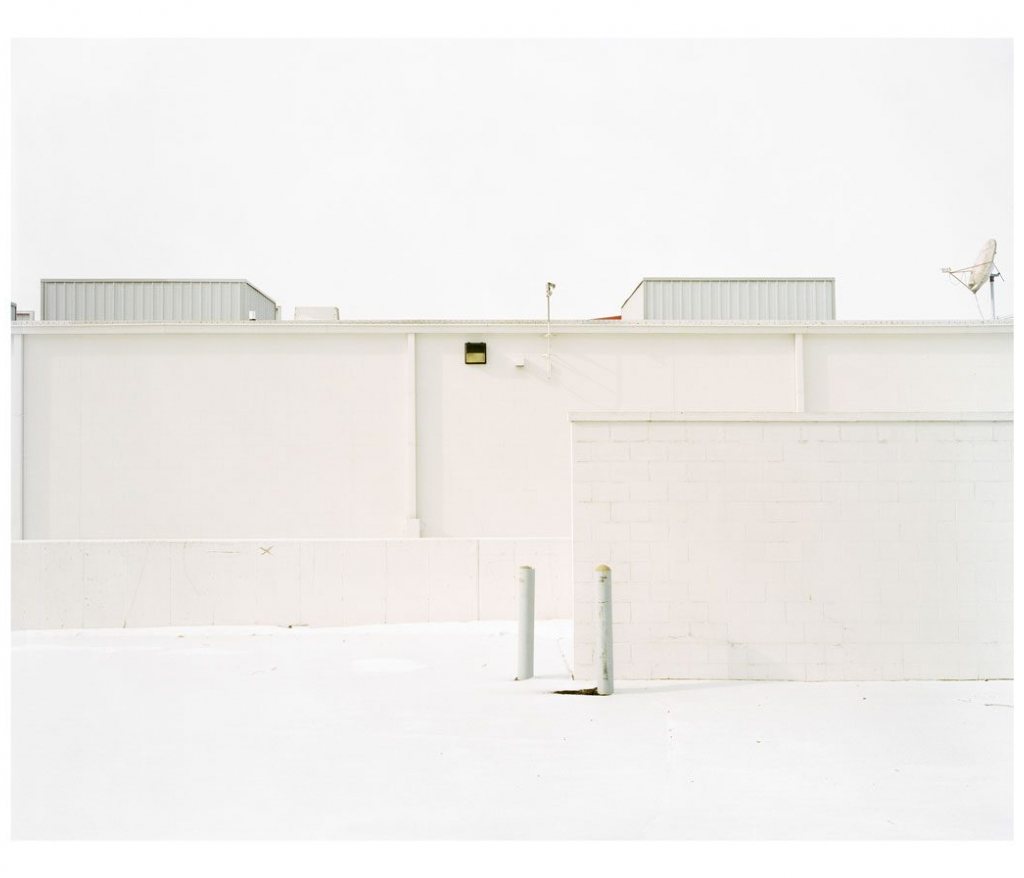
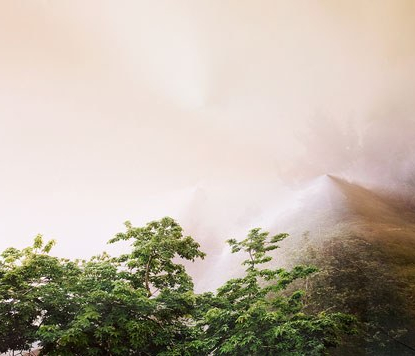
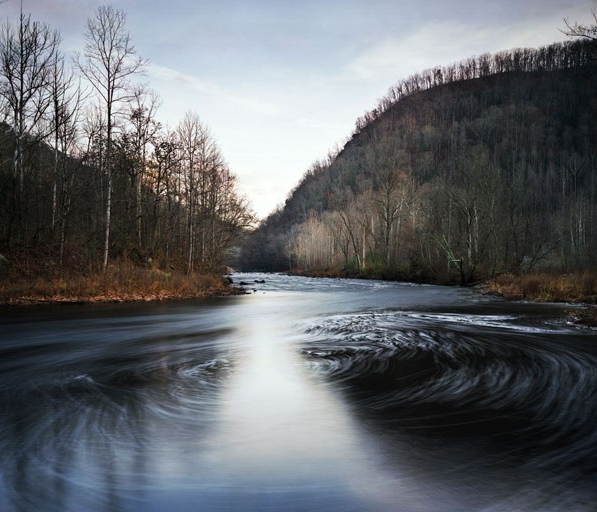
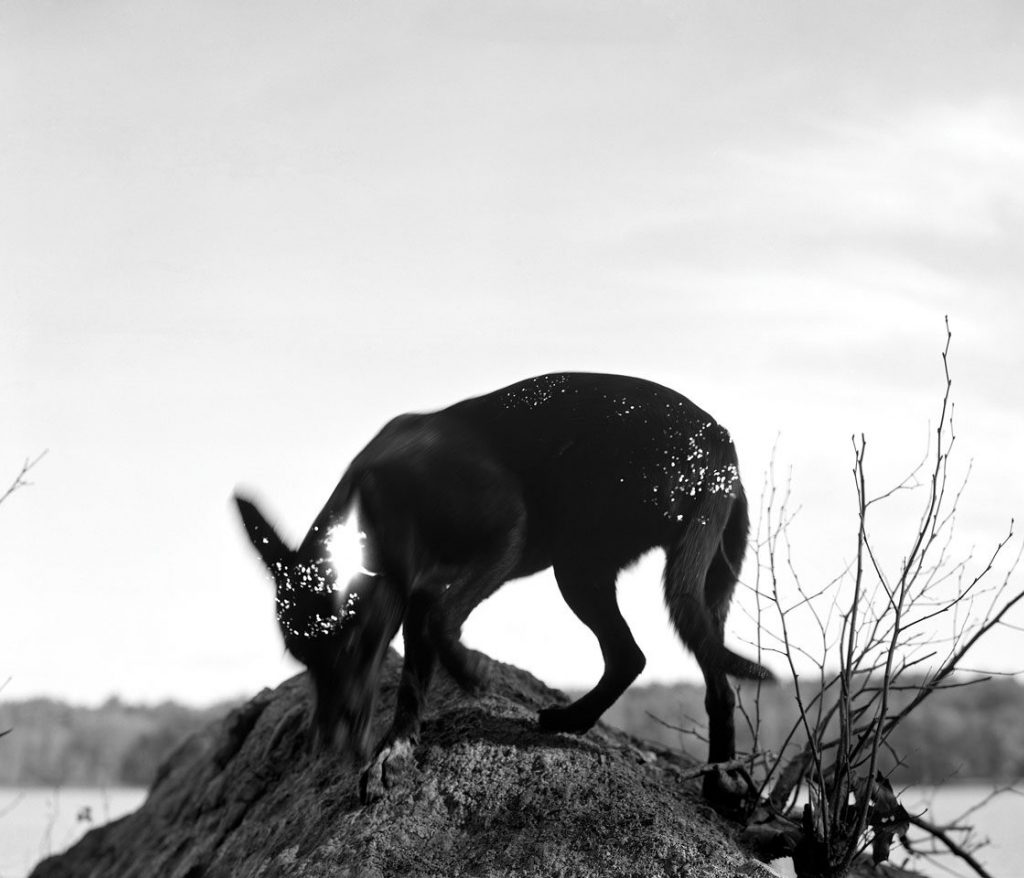
This September, Pictura presents Trace, a new photographic series by Osamu James Nakagawa that connects his present day experience as a Japanese-American with past generations. In 2022, Nakagawa began a pilgrimage to visit the sites of Japanese-American incarceration camps. Trace combines photographs taken at these sites with photograms of found objects and rubbings of the memorials.
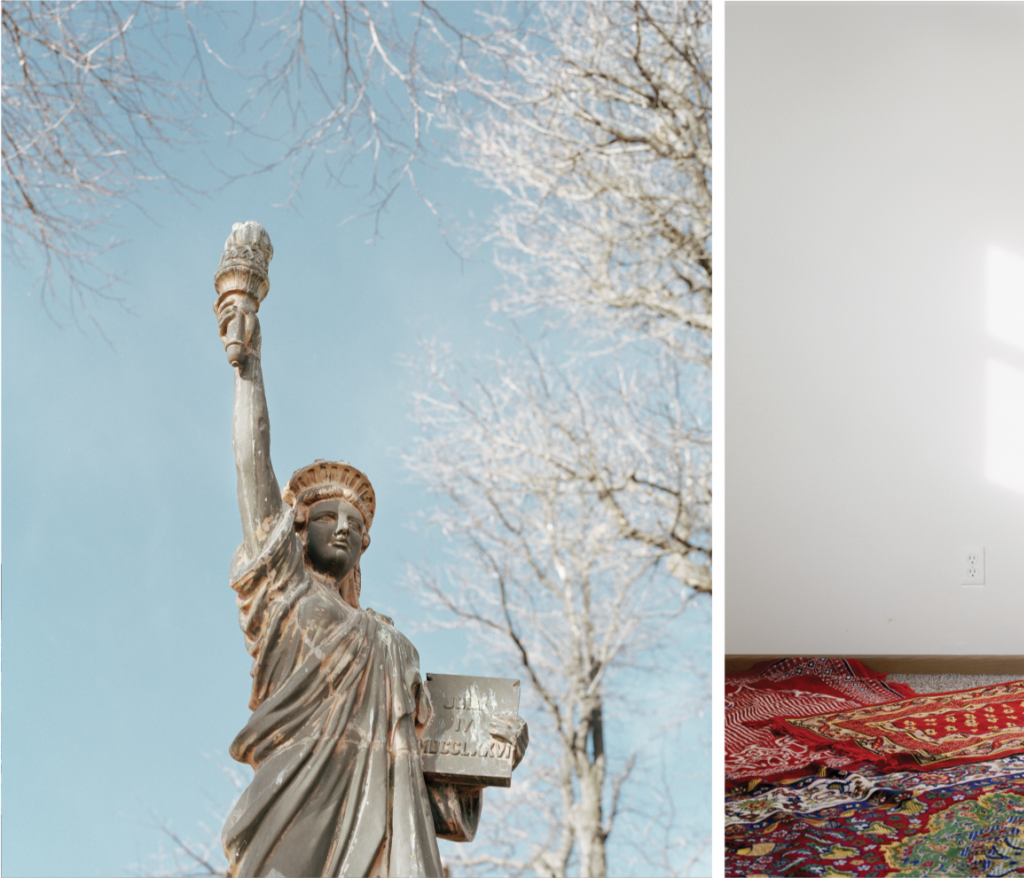
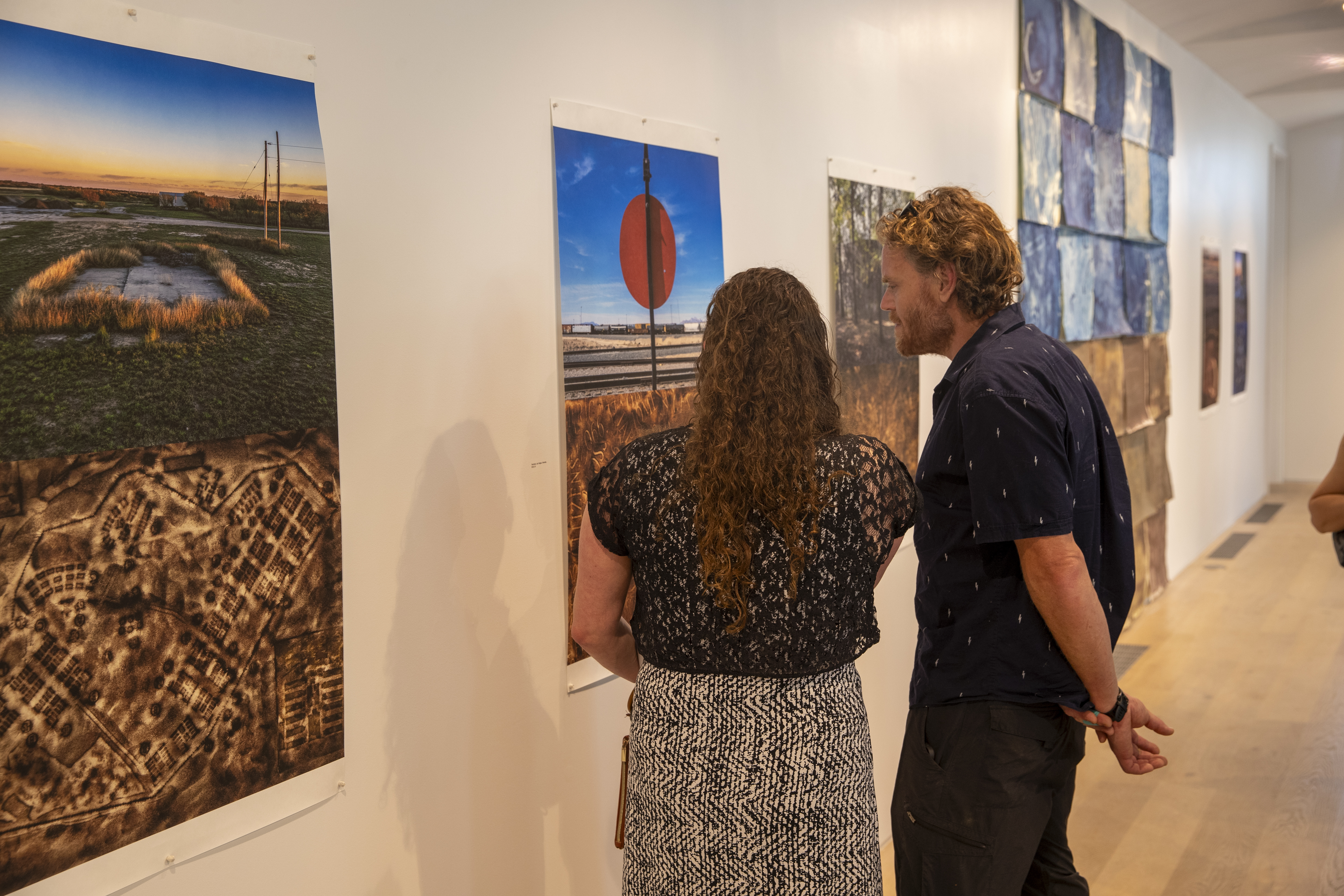
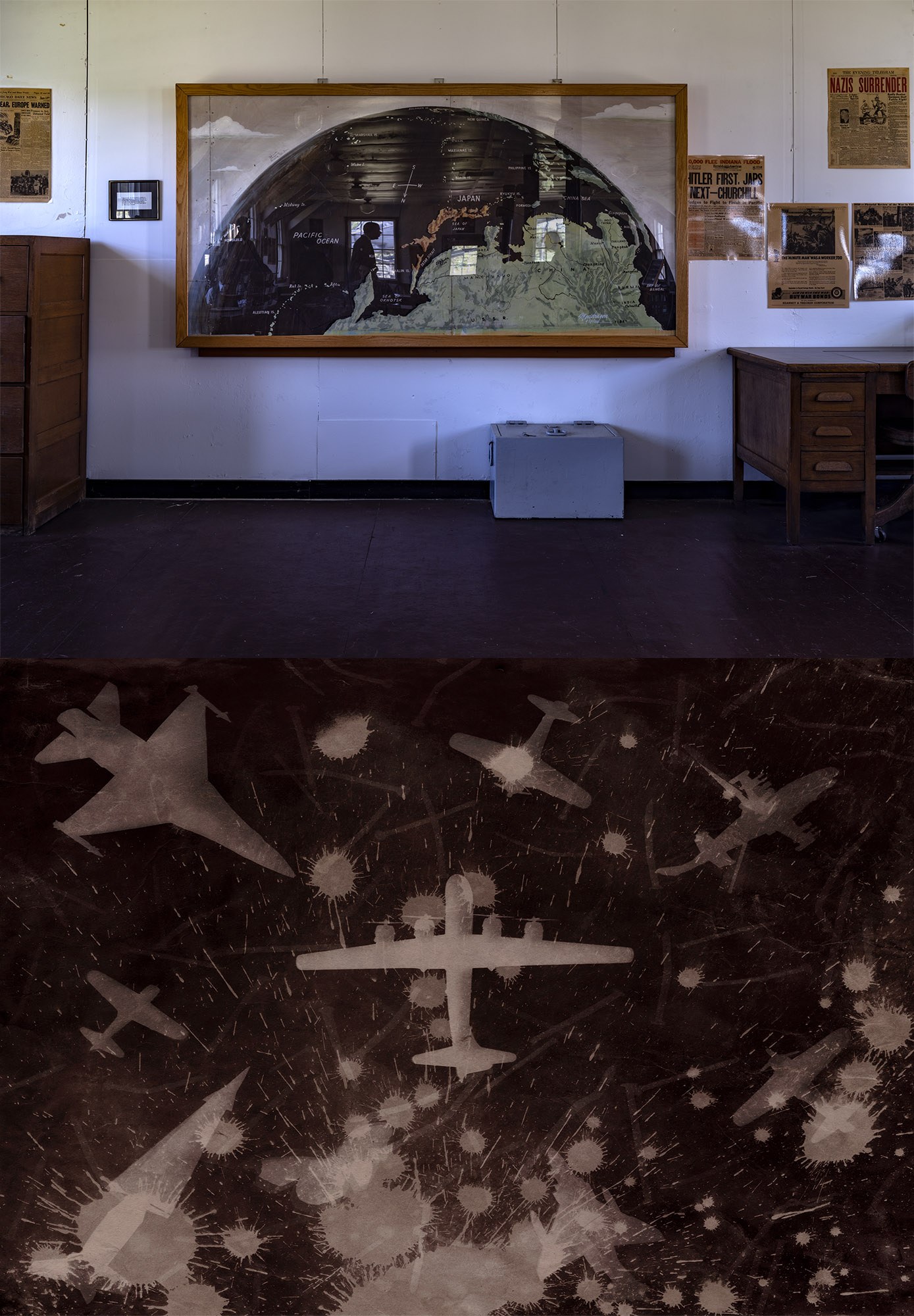
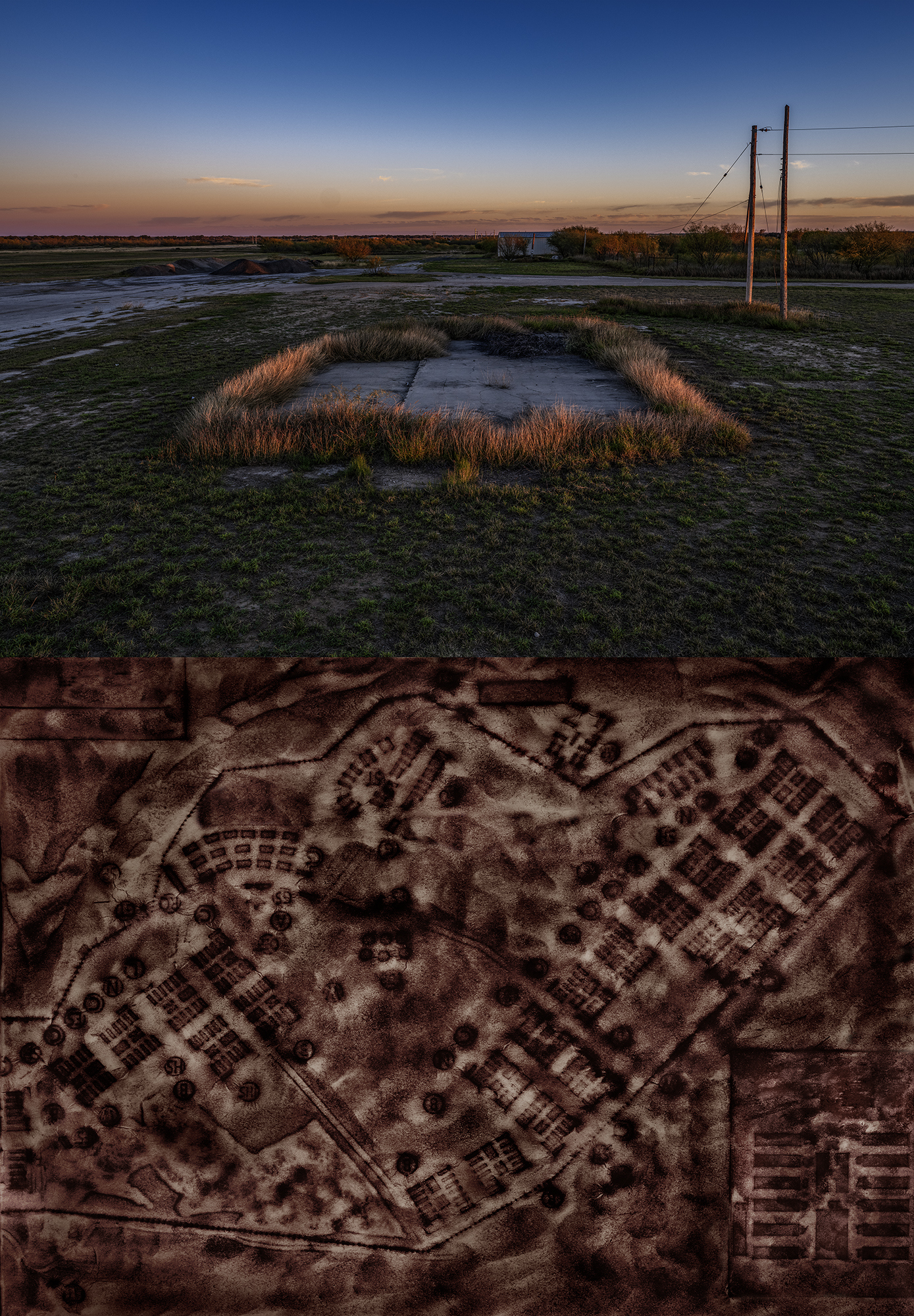
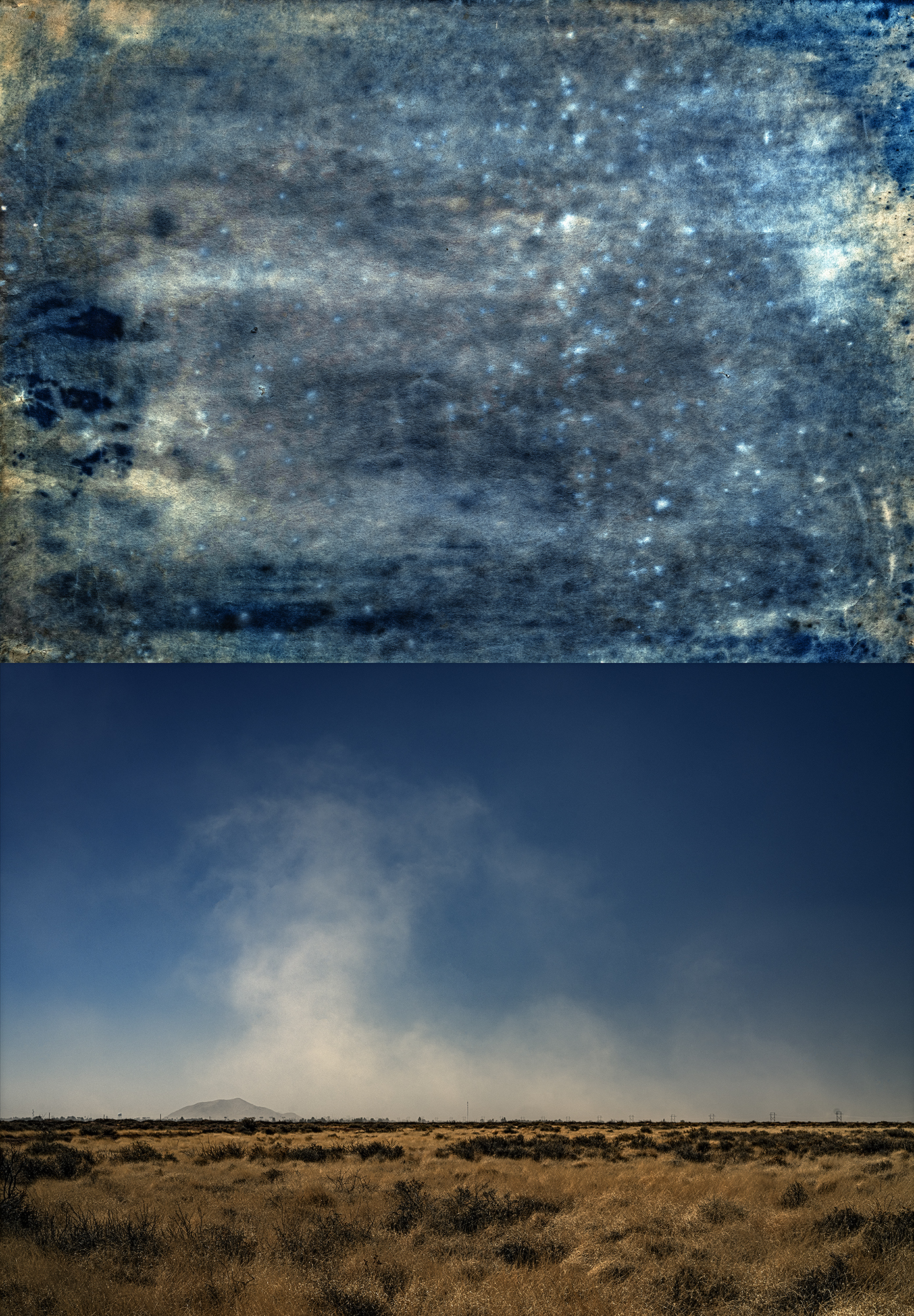
Using diptychs, Nakagawa pairs the past and the present, flattening the boundaries between them. Trace seeks to reveal what can’t be seen anymore, things that happened eighty years ago and have been quietly buried. Through a direct and immersive process, using actual objects and surfaces from the sites, Nakagawa unearths this history of forced incarceration.
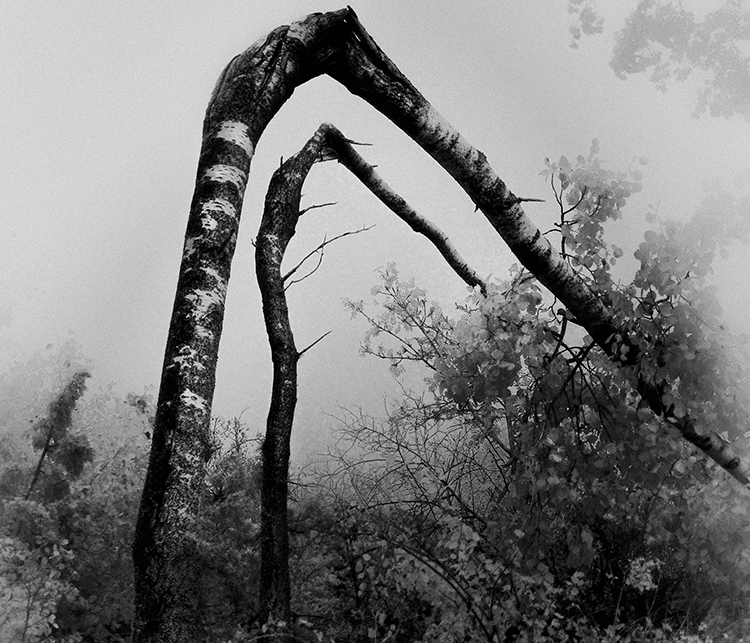
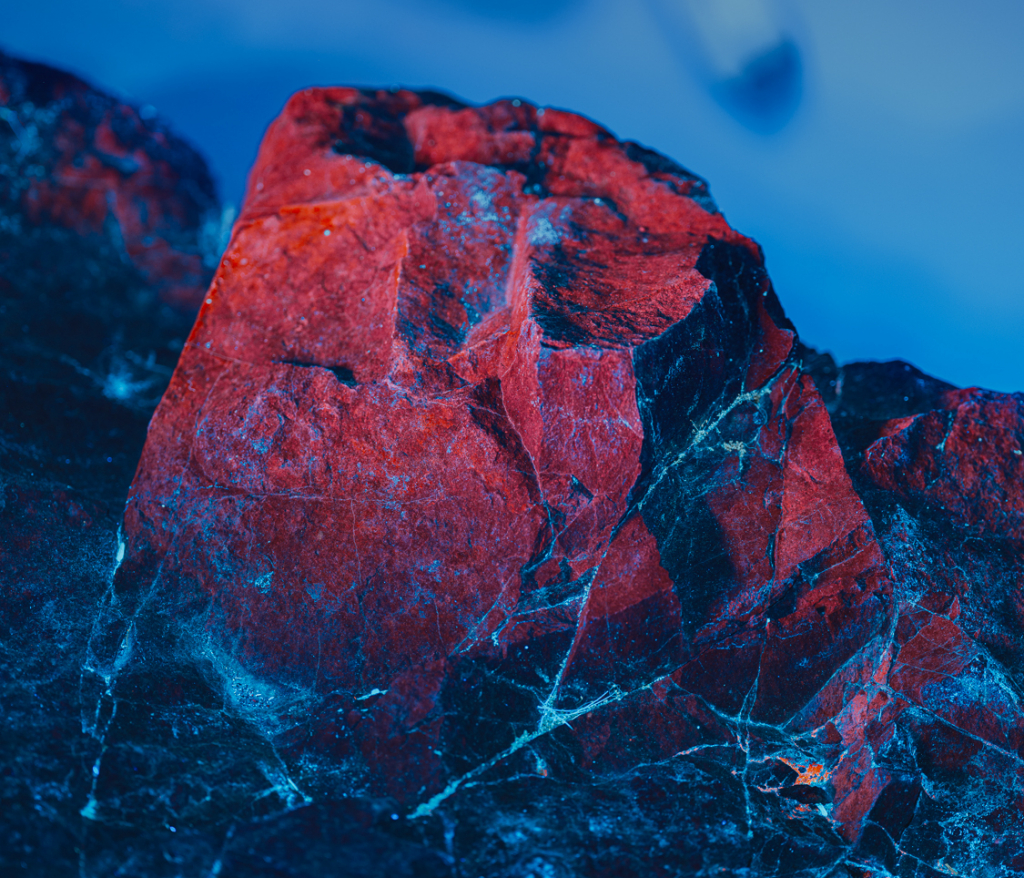
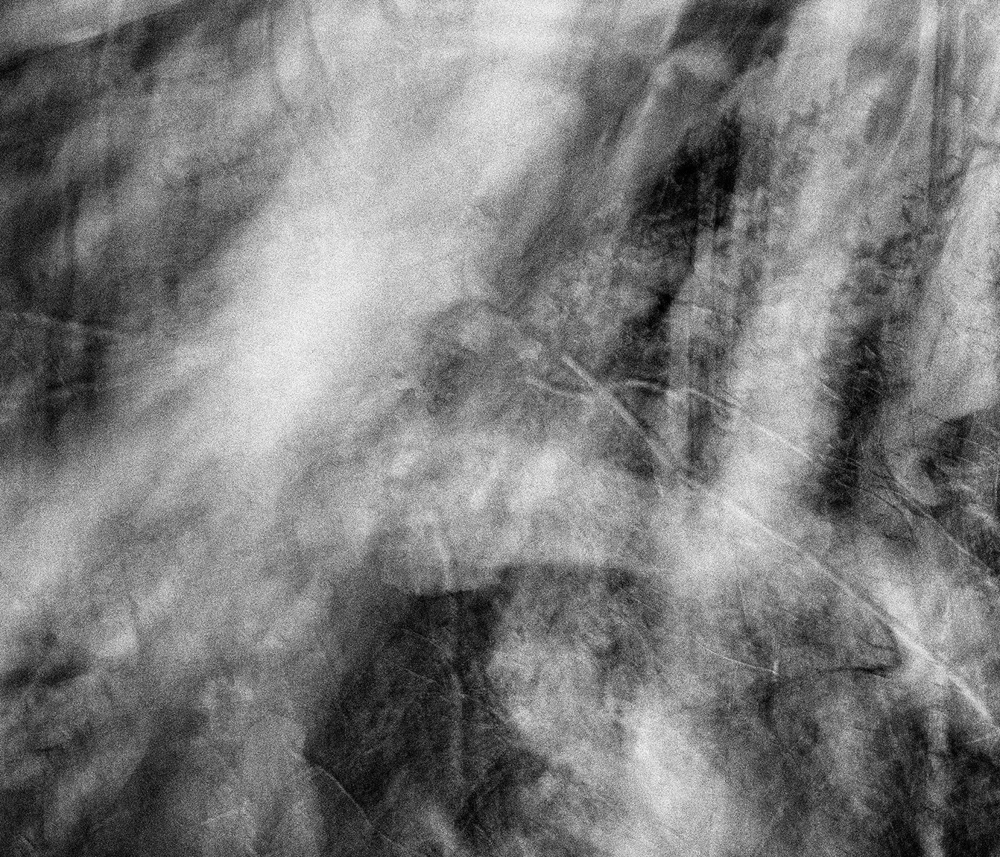
Osamu James Nakagawa works with the assumption that long dormant rocks have something to say, as do trees that have quietly witnessed decades of human behavior. In Trace, he finds a way to bring physical touch into his photography, coaxing the materials to speak, waking up the wounds through largely forgotten objects from the American past.
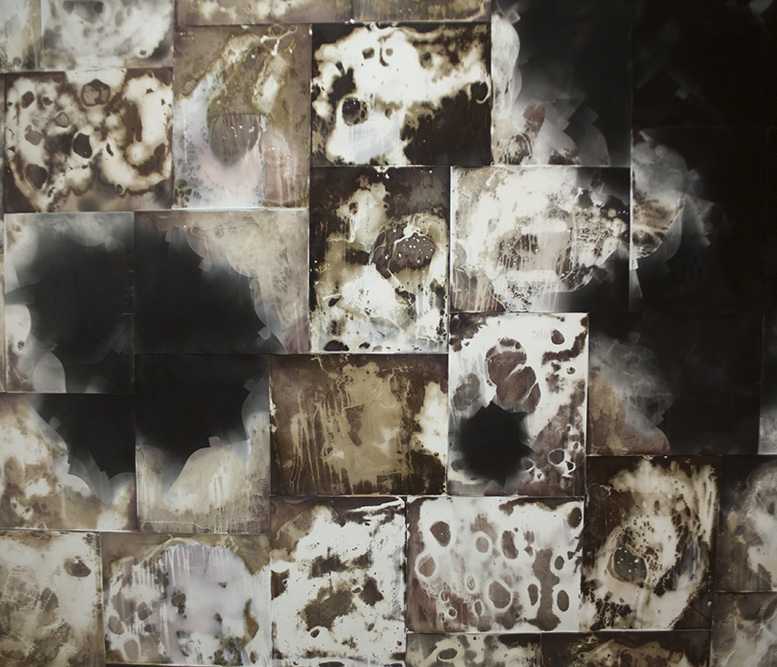
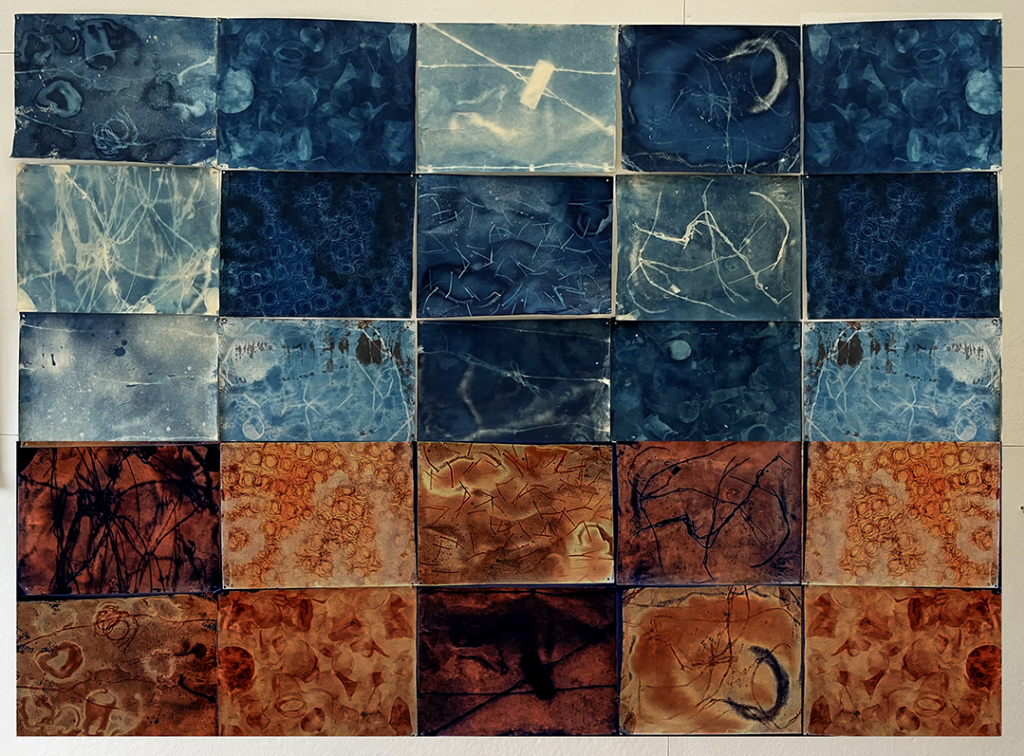
In response to Japanese American incarceration sites, to some visceral feeling there, Nakagawa brought paper and chemistry to make cyanotypes and salt prints. These prints are made when
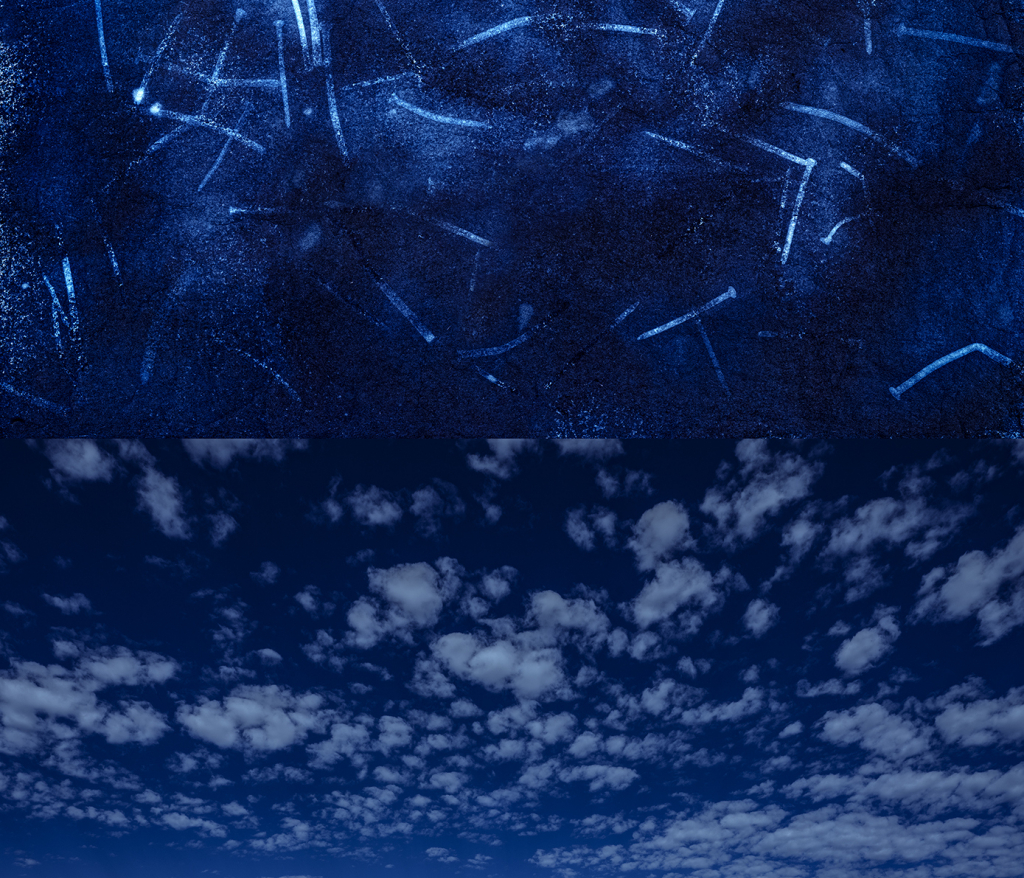
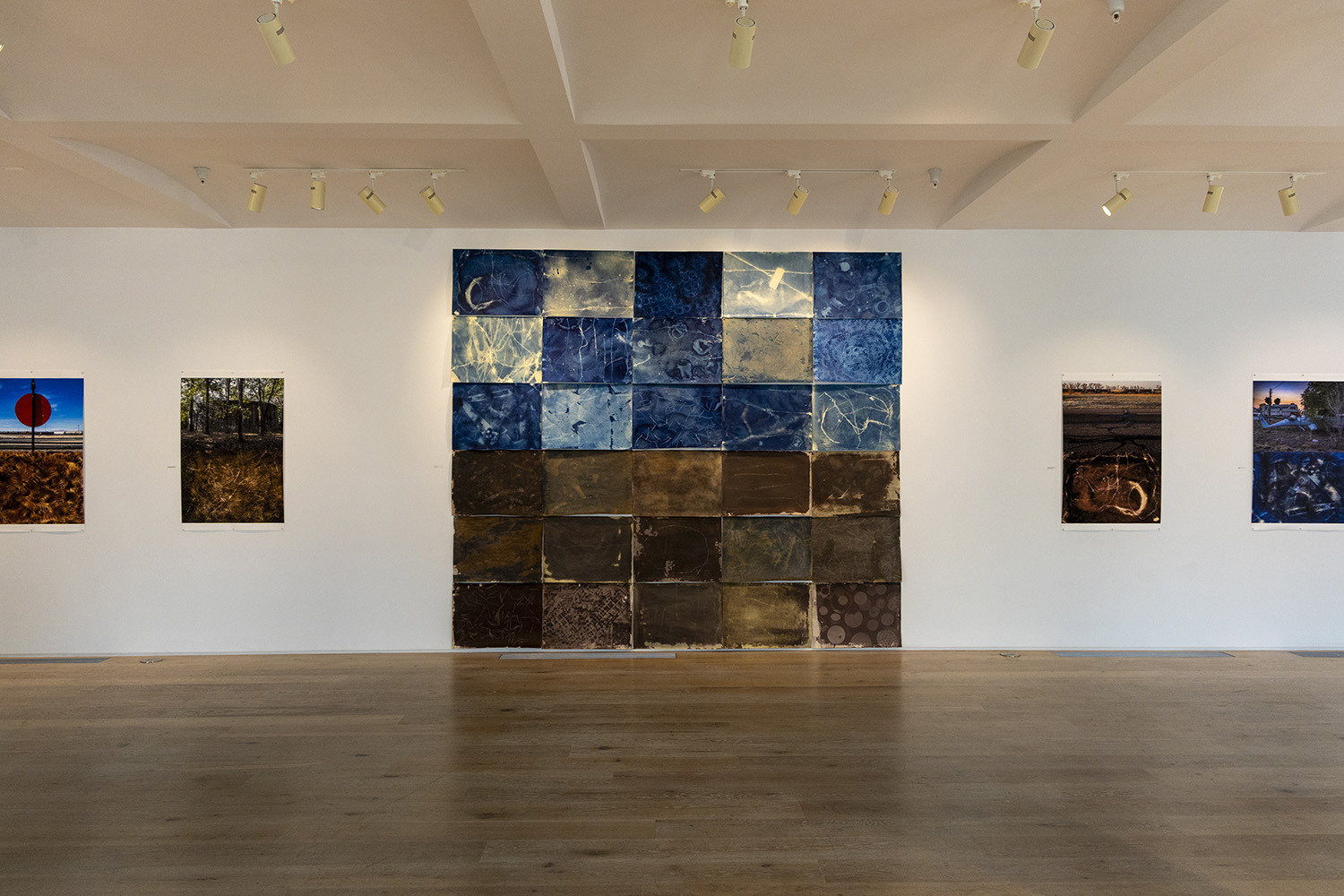
objects directly touch the paper, with the sun beating down around them. In a floor to ceiling installation, blue cyanotypes sit above the gallery’s horizon line, like an open sky. Brown salt prints fall below the line, becoming earth and soil. The piece is abstract but still forms the basic structure of the landscape, at an enveloping scale.
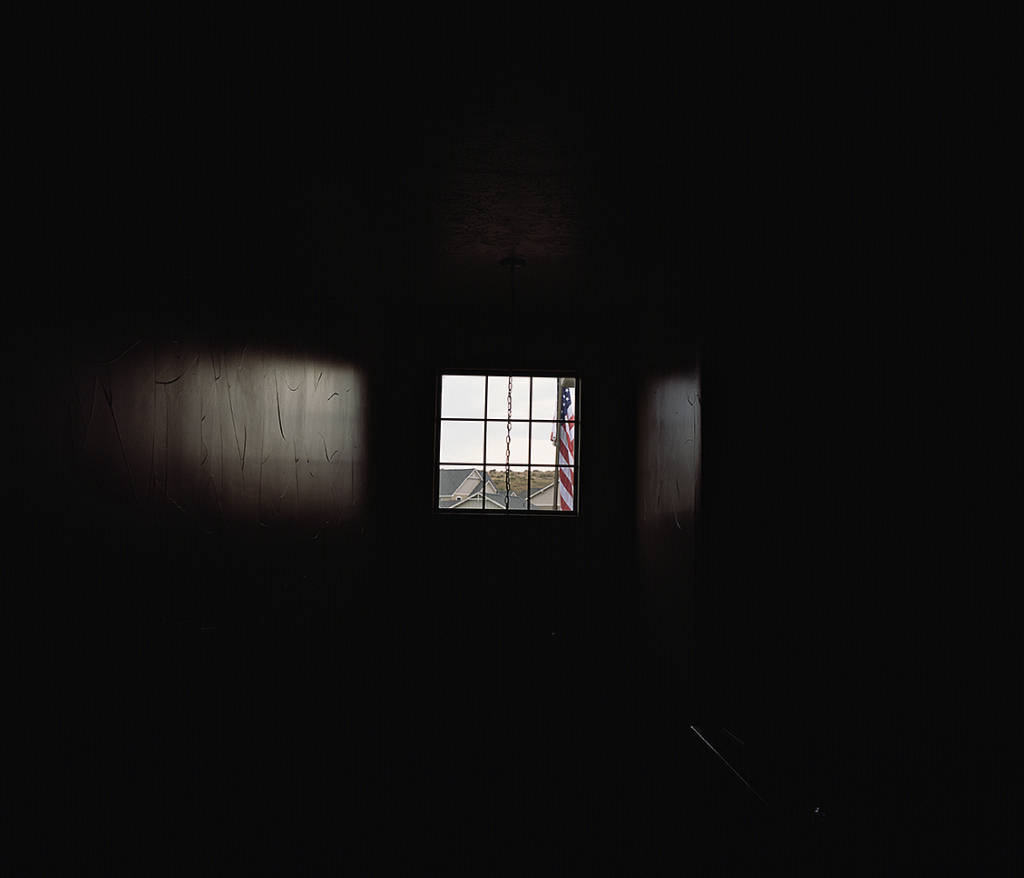
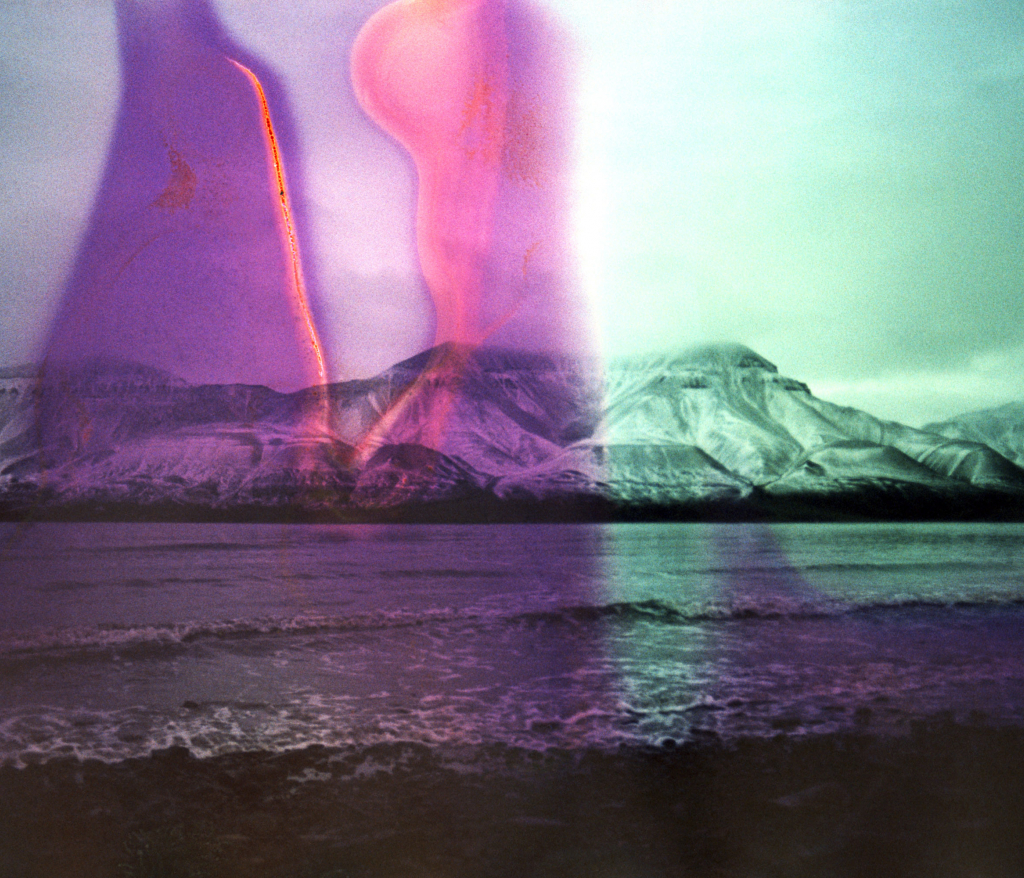
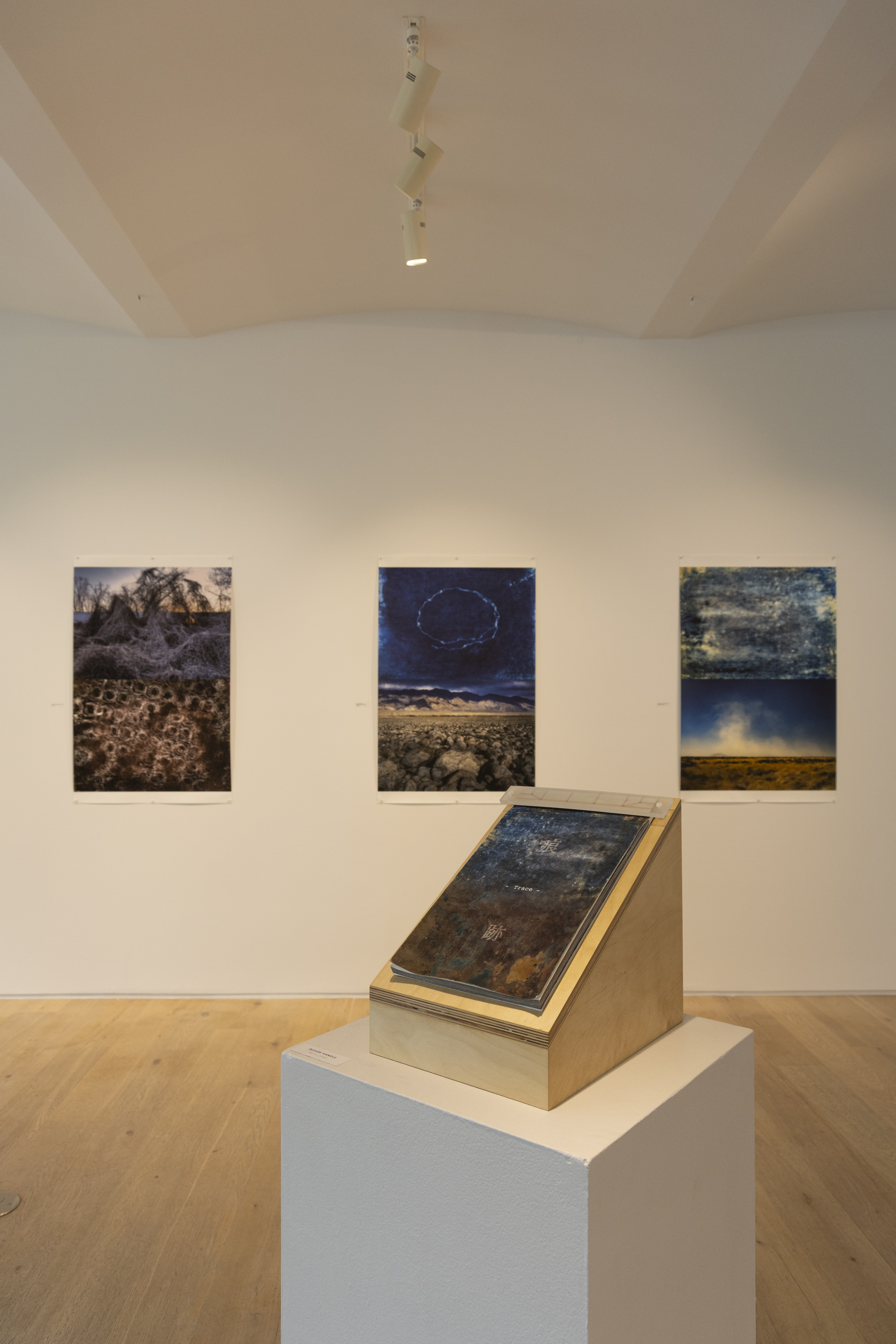
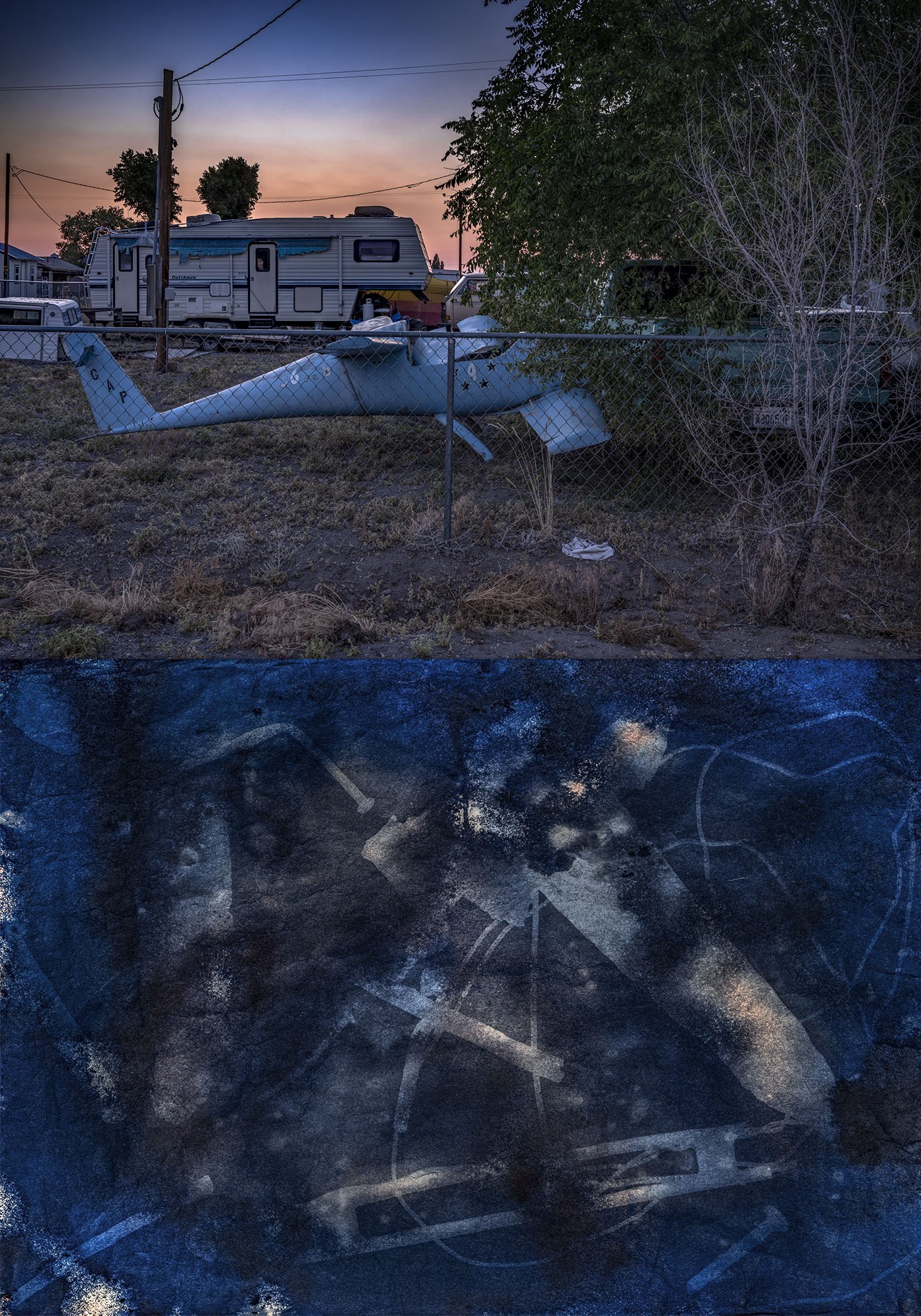
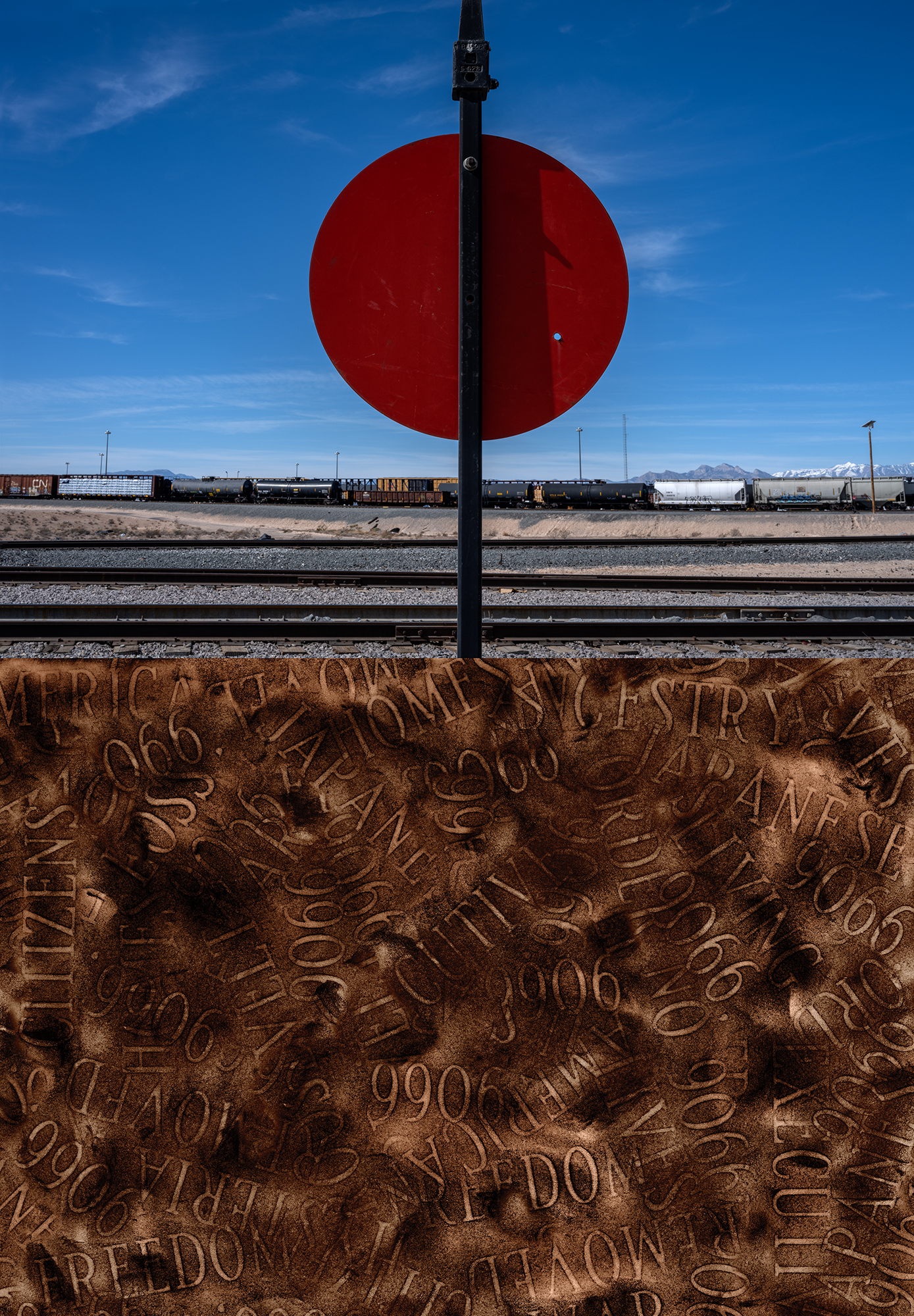
In vertical diptychs, Nakagawa stacks the cyanotypes and salt prints with photographs from the internment sites. In past work, Nakagawa has often represented his emotional experience of place, rather than a documentary depiction of it. Formally and conceptually, Trace hovers on the line between these two manners of seeing. In this way, the diptychs can be seen as a splitting of the psyche into conscious and unconscious awareness.
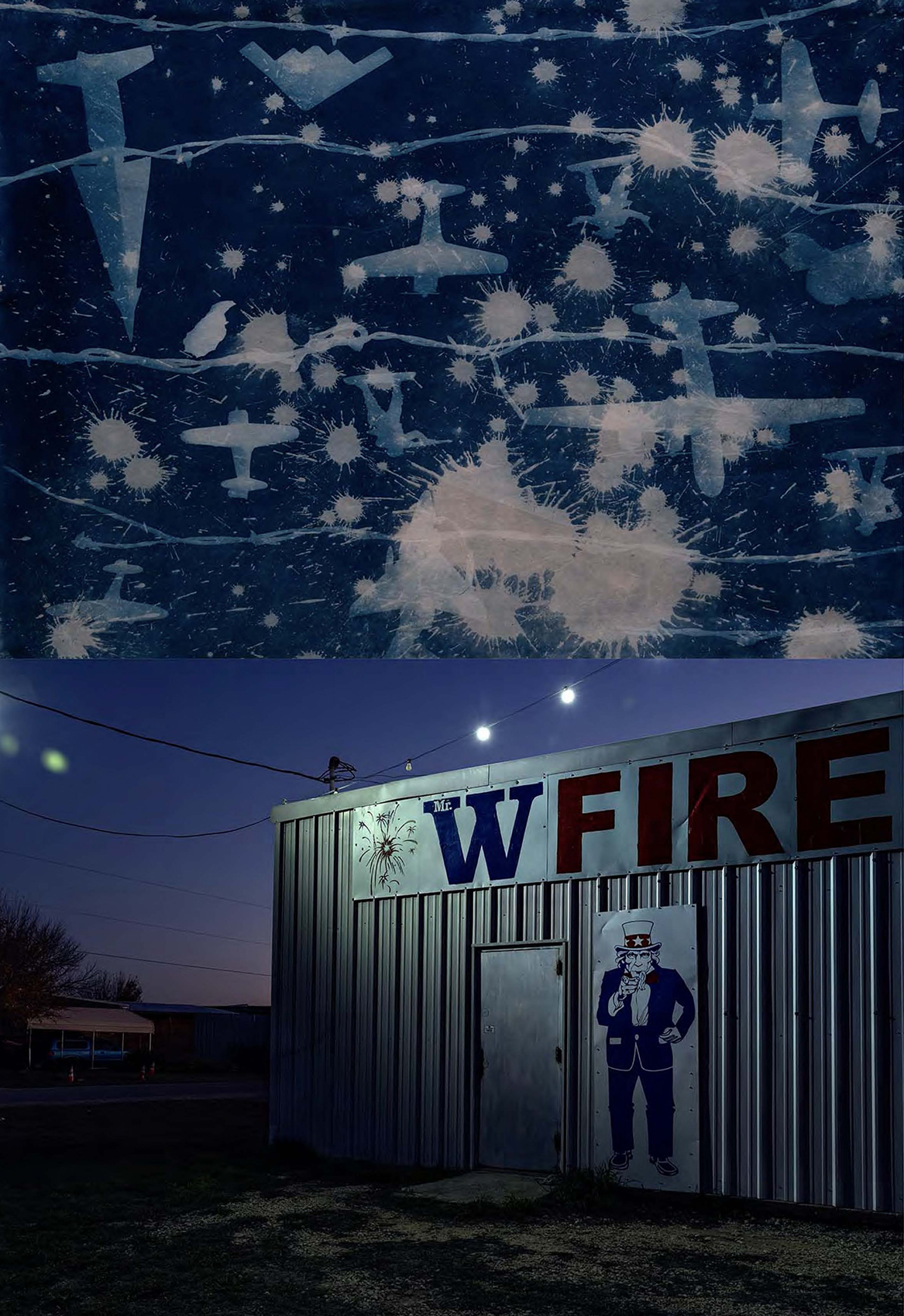
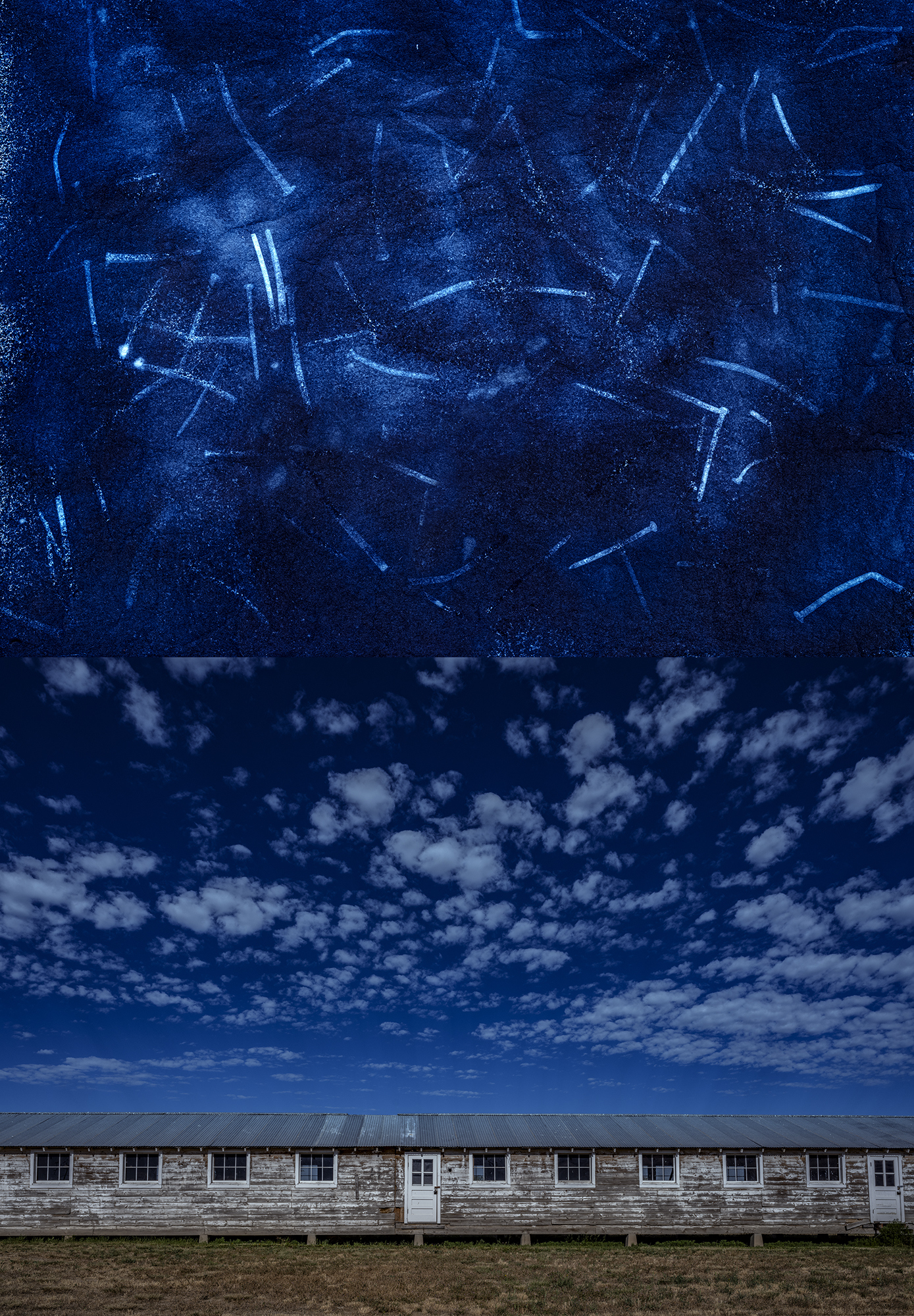
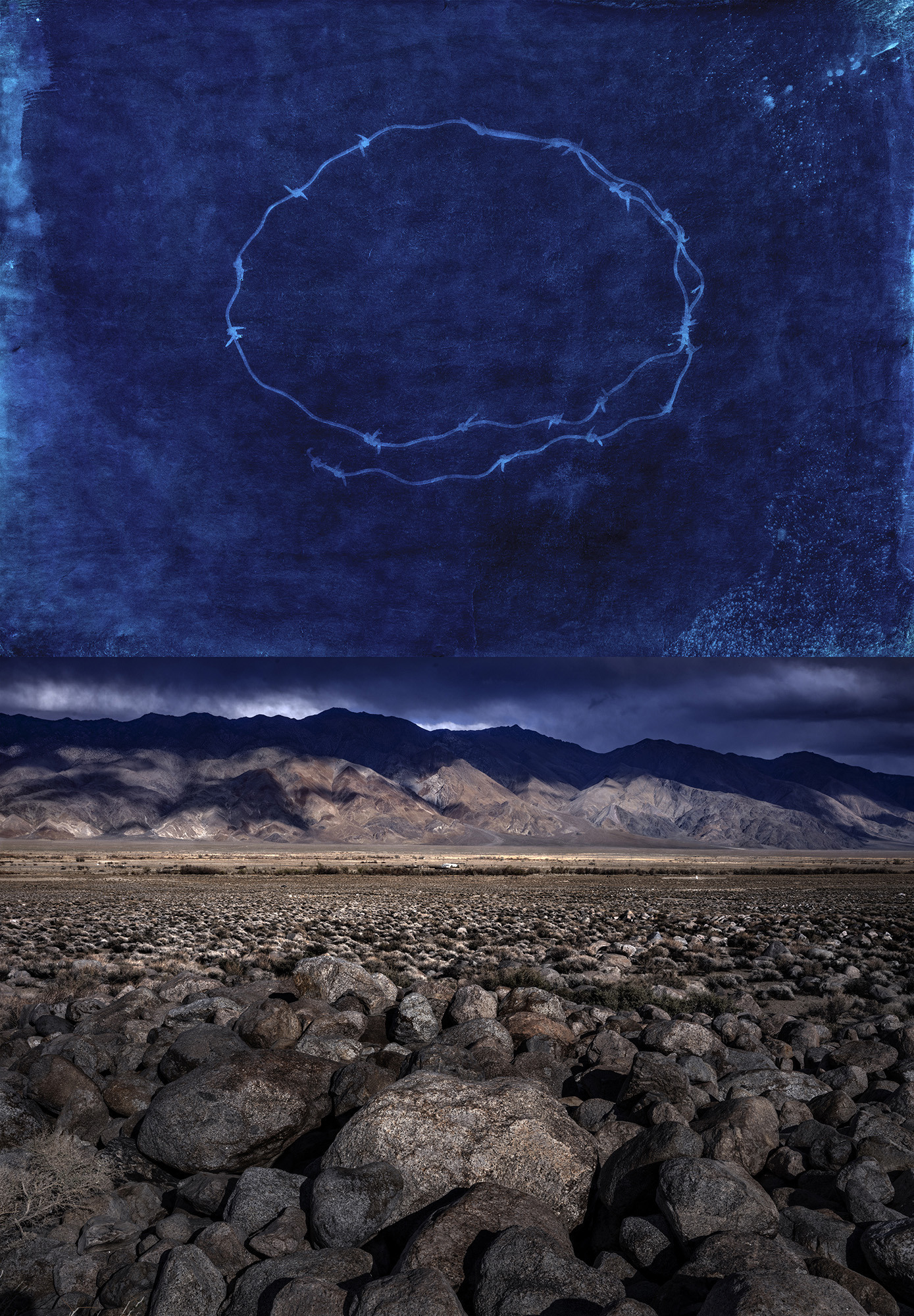
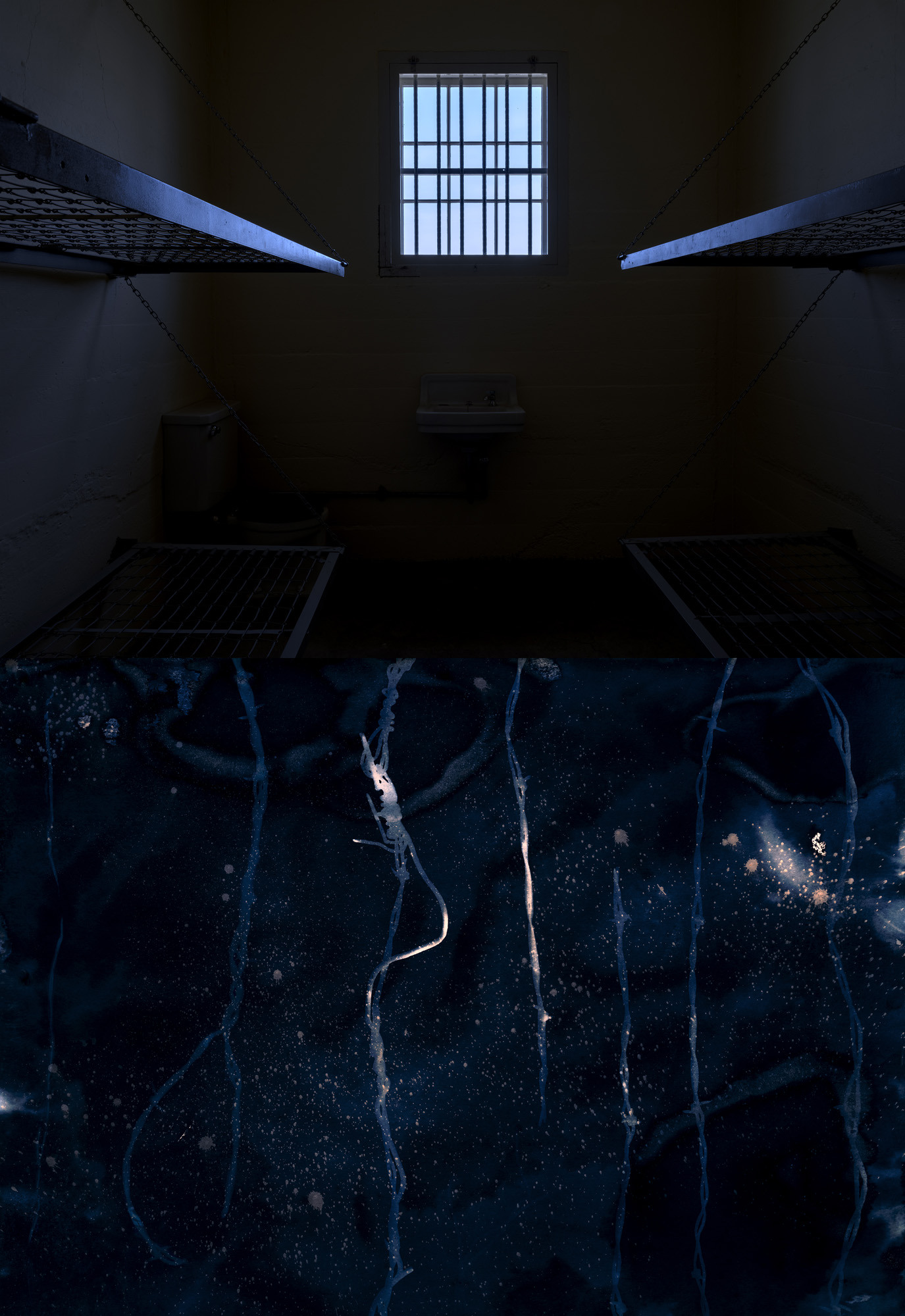
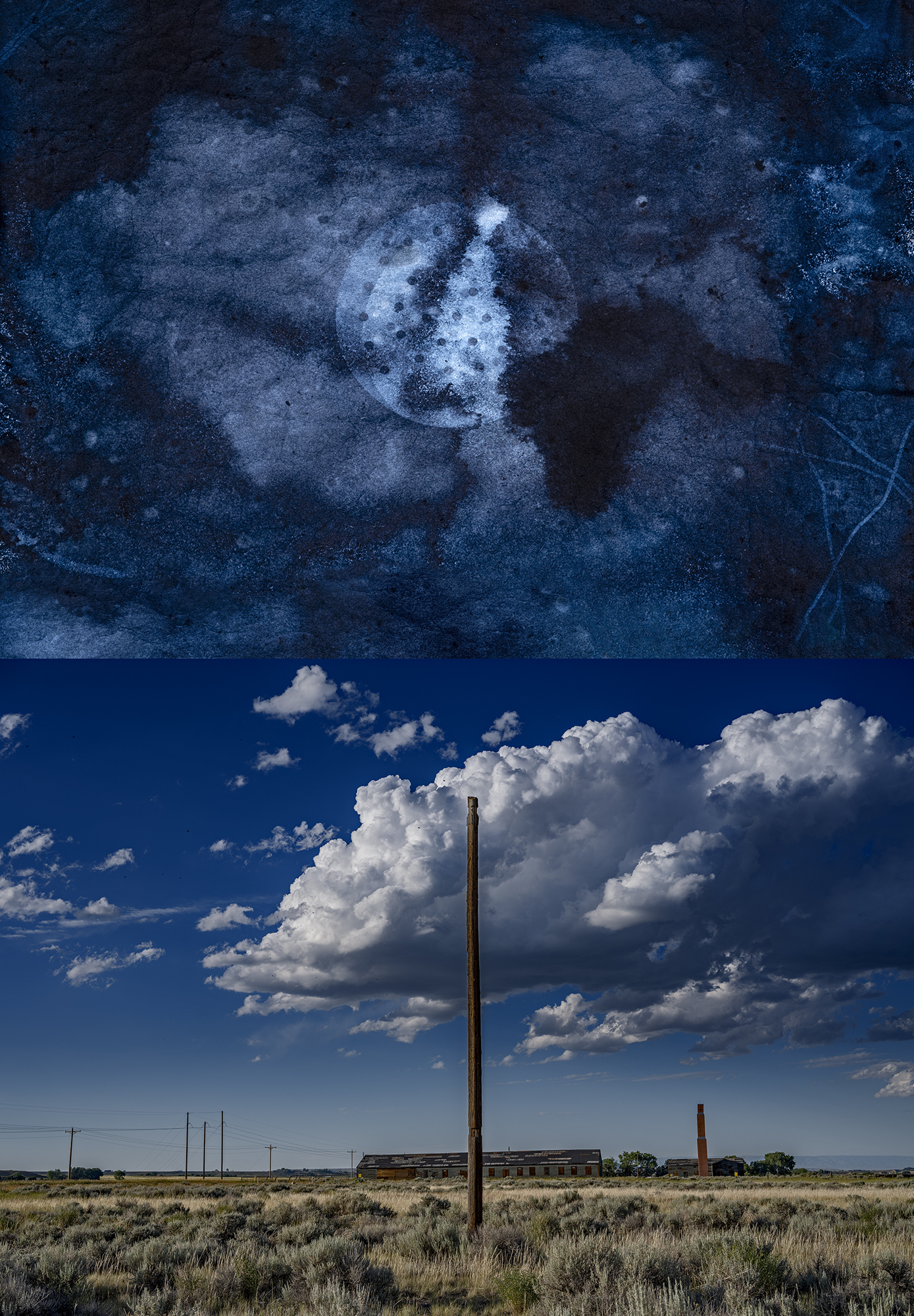
In some of the diptychs, a cyanotype is placed above a photograph of the actual sky, and the line between the two begins to blur. The deep indigo transforms into an expanse, a speckling of stars and a swirling cosmos. A vast sky can be liberating when you have the freedom to wander into it, but
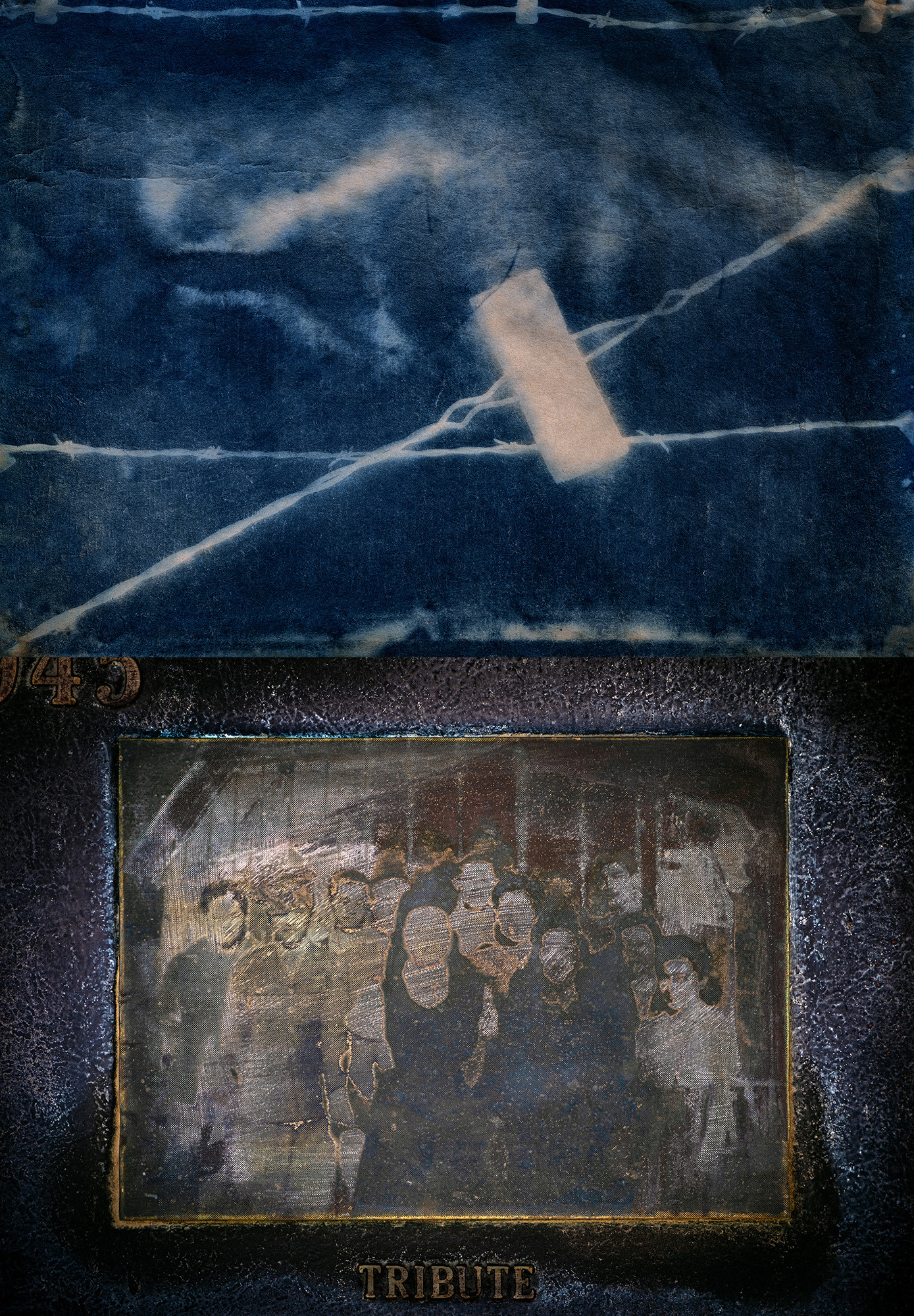
here it is blocked by criss-crossing lines of barbed wire. It is one thing to see these shackles in a photograph, and another thing to experience them to scale, right in front of you. The observer is briefly trapped, a flicker of the feeling of those who were confined for three years of internment. Banal objects take on significant meaning in these images. The moon is a shower drain. Free and easy clouds turn into nails. A constellation is just a length of sharp wire.
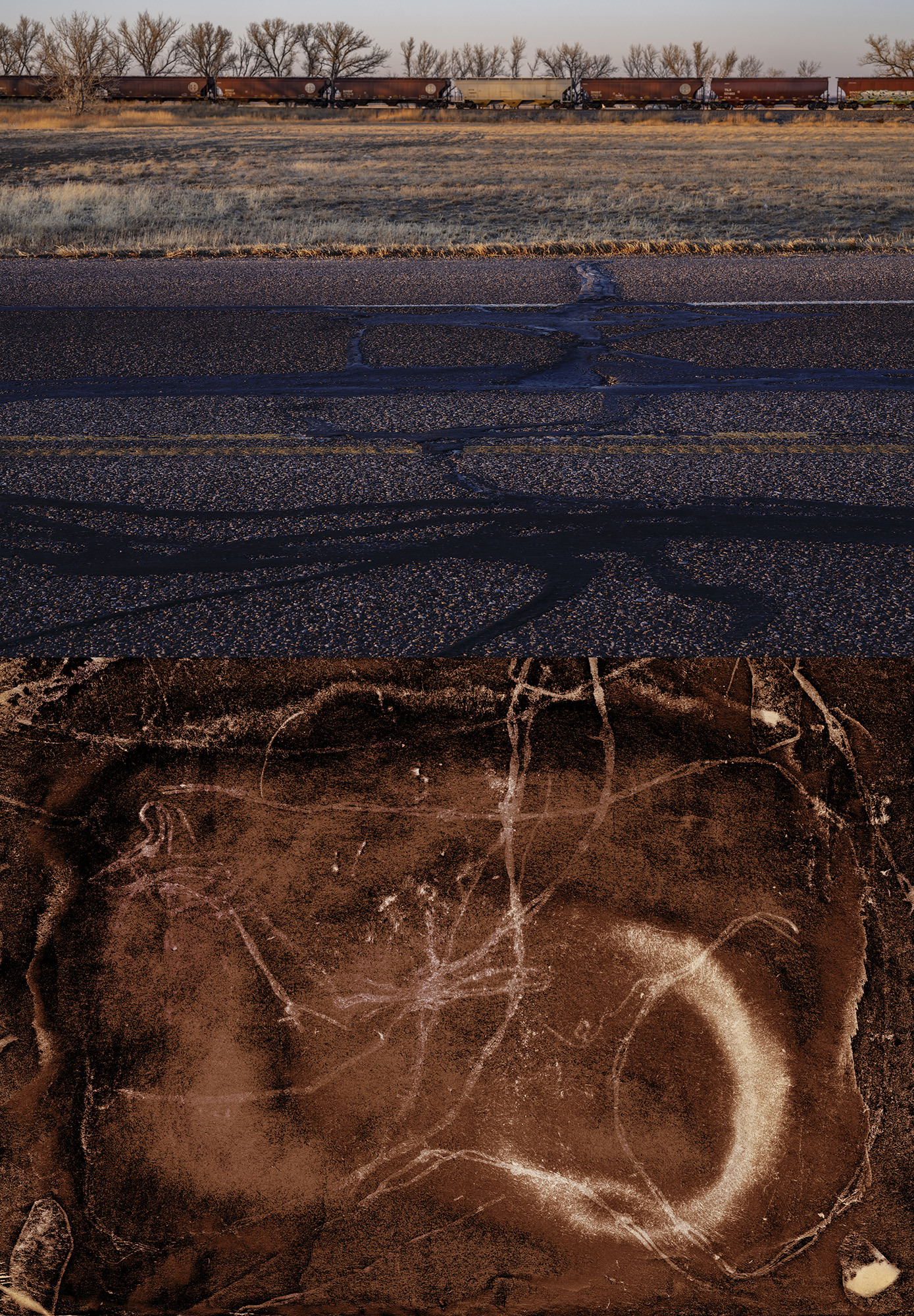
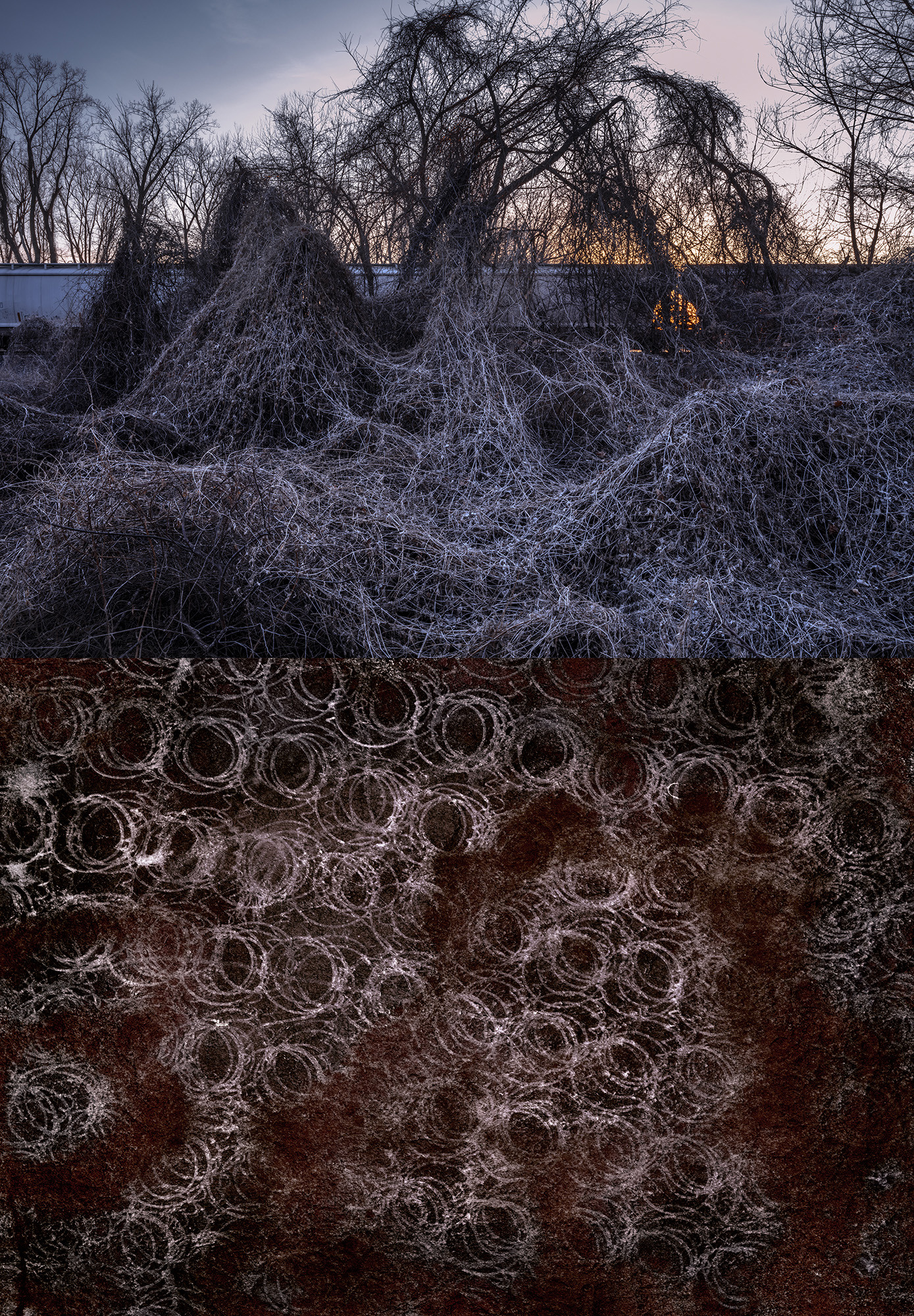
Camps were built along the railway lines for convenience, to transport people to remote places where they could be hidden from view. In Railroad, Tule Lake, train cars line the top of the frame, with rosy brown layers compressed beneath them like the strata of time. The salt print sits under the street, like a deposit of memory in the sediment. Here is the murkiness of things that have been buried from sight. Truth and trauma lie tangled together below the surface. Where the past feels hard to reach, Nakagawa unearths shrouded emotions, to be encountered again here in the present.
Two months after the Japanese attack on Pearl Harbor in 1941, President Franklin D. Roosevelt signed Executive Order 9066, resulting in the forcible incarceration of approximately 125,000 Japanese and Japanese Americans, mainly in camps in the arid American West. Without any legal charge, families were made to evacuate to isolated “internment” camps with no rights to appeal the incarceration.
Families suffered the dual trauma of losing their land, homes, and businesses while being isolated in the harsh environment of the remote camps at the hand of their own government. In an atmosphere of fear over national security and deep seated anti-Asian racism, America betrayed its own citizens.
I moved to Japan from the US when I was seven months old and returned fifteen years later. In 2020, on the cusp of my 60th birthday, the turmoil of the pandemic, the killing of George Floyd, and the increased anti-Asian hate crimes during the first Trump presidency were painful reminders to me of America’s deeply ingrained systemic racism. As a Japanese-American, I have felt like an outsider in both cultures. I find myself questioning yet again my value in the eyes of my adopted country.
In 2022, I began a pilgrimage of 24,888 miles to visit the sites of every incarceration camp established after the 1942 Executive Order. It was a reckoning between the discrimination inherent in my American experience and that of a former generation of immigrants who were brought to places of such desolation.
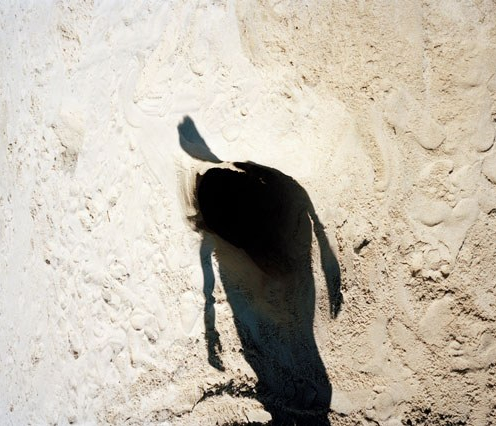
Trace is a series of works that combine photographs taken at the sites of the incarceration camps, with cyanotype photograms of remnants, and frottage prints of the memorials. In taking the time to look more deeply at the vast and isolated landscape in front of me, the shadows gave me access to the boundaries between past and present, both metaphorically and experientially.
I sit with these places and the residual scars left behind as a result of Executive Order 9066. Historical archives and photographs tell us about the past, but the story continues to unfold. Trace is my story that visualizes the past and the still existing tension, between what happened and what is happening now.
- Osamu James Nakagawa
Osamu James Nakagawa was born in New York City in 1962, raised in Tokyo, and then returned to the US at the age of 15. He is the Distinguished Professor and the Ruth N. Halls Professor of Photography at Indiana University. Nakagawa is a recipient of the 2010 Guggenheim Fellowship, the 2010 Higashikawa New Photographer of the Year and 2015 Sagamihara Photographer of the Year in Japan.
Nakagawa’s work has been exhibited internationally, selected solo exhibitions include PGI, Tokyo; Kyoto University of the Arts; Sepia EYE, New York; Sakima Art Museum, Okinawa, Japan; and others. Group shows include A Shared Elegy with Emmet Gowin, Elijah Gowin; After Photoshop, The Metropolitan Museum of Art, New York. His work is included in numerous public collections, including the George Eastman Museum; Museum of Fine Arts, Houston; Nelson-Atkins Museum of Art; the Tokyo Photographic Art Museum, and others.
jamesnakagawa.com
Osamu James Nakagawa
TRACE 痕 跡
This September, Pictura presents Trace, a new photographic series by Osamu James Nakagawa that connects his present day experience as a Japanese-American with past generations. In 2022, Nakagawa began a pilgrimage to visit the sites of Japanese-American incarceration camps. Trace combines photographs taken at these sites with photograms of found objects and rubbings of the memorials.
Using diptychs, Nakagawa pairs the past and the present, flattening the boundaries between them. Trace seeks to reveal what can’t be seen anymore, things that happened eighty years ago and have been quietly buried. Through a direct and immersive process, using actual objects and surfaces from the sites, Nakagawa unearths this history of forced incarceration.
Osamu James Nakagawa works with the assumption that long dormant rocks have something to say, as do trees that have quietly witnessed decades of human behavior. In Trace, he finds a way to bring physical touch into his photography, coaxing the materials to speak, waking up the wounds through largely forgotten objects from the American past.
In response to Japanese American incarceration sites, to some visceral feeling there, Nakagawa brought paper and chemistry to make cyanotypes and salt prints. These prints are made when
objects directly touch the paper, with the sun beating down around them. In a floor to ceiling installation, blue cyanotypes sit above the gallery’s horizon line, like an open sky. Brown salt prints fall below the line, becoming earth and soil. The piece is abstract but still forms the basic structure of the landscape, at an enveloping scale.
In vertical diptychs, Nakagawa stacks the cyanotypes and salt prints with photographs from the internment sites. In past work, Nakagawa has often represented his emotional experience of place, rather than a documentary depiction of it. Formally and conceptually, Trace hovers on the line between these two manners of seeing. In this way, the diptychs can be seen as a splitting of the psyche into conscious and unconscious awareness.
In some of the diptychs, a cyanotype is placed above a photograph of the actual sky, and the line between the two begins to blur. The deep indigo transforms into an expanse, a speckling of stars and a swirling cosmos. A vast sky can be liberating when you have the freedom to wander into it, but
here it is blocked by criss-crossing lines of barbed wire. It is one thing to see these shackles in a photograph, and another thing to experience them to scale, right in front of you. The observer is briefly trapped, a flicker of the feeling of those who were confined for three years of internment. Banal objects take on significant meaning in these images. The moon is a shower drain. Free and easy clouds turn into nails. A constellation is just a length of sharp wire.
Camps were built along the railway lines for convenience, to transport people to remote places where they could be hidden from view. In Railroad, Tule Lake, train cars line the top of the frame, with rosy brown layers compressed beneath them like the strata of time. The salt print sits under the street, like a deposit of memory in the sediment. Here is the murkiness of things that have been buried from sight. Truth and trauma lie tangled together below the surface. Where the past feels hard to reach, Nakagawa unearths shrouded emotions, to be encountered again here in the present.
Two months after the Japanese attack on Pearl Harbor in 1941, President Franklin D. Roosevelt signed Executive Order 9066, resulting in the forcible incarceration of approximately 125,000 Japanese and Japanese Americans, mainly in camps in the arid American West. Without any legal charge, families were made to evacuate to isolated “internment” camps with no rights to appeal the incarceration.
Families suffered the dual trauma of losing their land, homes, and businesses while being isolated in the harsh environment of the remote camps at the hand of their own government. In an atmosphere of fear over national security and deep seated anti-Asian racism, America betrayed its own citizens.
I moved to Japan from the US when I was seven months old and returned fifteen years later. In 2020, on the cusp of my 60th birthday, the turmoil of the pandemic, the killing of George Floyd, and the increased anti-Asian hate crimes during the first Trump presidency were painful reminders to me of America’s deeply ingrained systemic racism. As a Japanese-American, I have felt like an outsider in both cultures. I find myself questioning yet again my value in the eyes of my adopted country.
In 2022, I began a pilgrimage of 24,888 miles to visit the sites of every incarceration camp established after the 1942 Executive Order. It was a reckoning between the discrimination inherent in my American experience and that of a former generation of immigrants who were brought to places of such desolation.
Trace is a series of works that combine photographs taken at the sites of the incarceration camps, with cyanotype photograms of remnants, and frottage prints of the memorials. In taking the time to look more deeply at the vast and isolated landscape in front of me, the shadows gave me access to the boundaries between past and present, both metaphorically and experientially.
I sit with these places and the residual scars left behind as a result of Executive Order 9066. Historical archives and photographs tell us about the past, but the story continues to unfold. Trace is my story that visualizes the past and the still existing tension, between what happened and what is happening now.
- Osamu James Nakagawa
Osamu James Nakagawa was born in New York City in 1962, raised in Tokyo, and then returned to the US at the age of 15. He is the Distinguished Professor and the Ruth N. Halls Professor of Photography at Indiana University. Nakagawa is a recipient of the 2010 Guggenheim Fellowship, the 2010 Higashikawa New Photographer of the Year and 2015 Sagamihara Photographer of the Year in Japan.
Nakagawa’s work has been exhibited internationally, selected solo exhibitions include PGI, Tokyo; Kyoto University of the Arts; Sepia EYE, New York; Sakima Art Museum, Okinawa, Japan; and others. Group shows include A Shared Elegy with Emmet Gowin, Elijah Gowin; After Photoshop, The Metropolitan Museum of Art, New York. His work is included in numerous public collections, including the George Eastman Museum; Museum of Fine Arts, Houston; Nelson-Atkins Museum of Art; the Tokyo Photographic Art Museum, and others.
jamesnakagawa.com