Robert Langham III
Blackfork Bestiary
Dates + Events
December Pictura Kids: Robert Langham III
Saturday, December 2 | 11:00am - 12:00pm
December Gallery Walk: Robert Langham III
Friday, December 1 | 5:00pm - 8:00pm
Robert Langham III
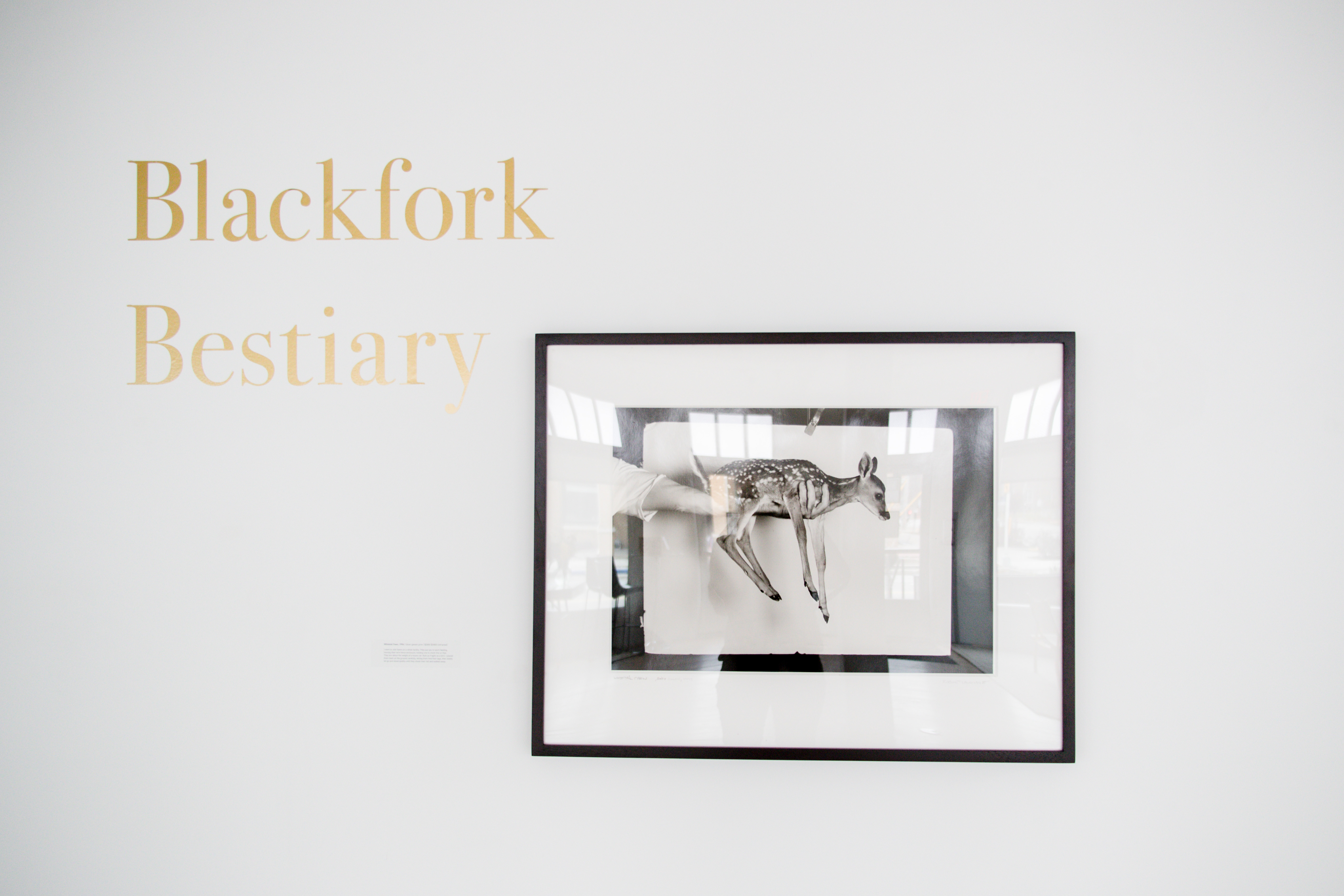
Blackfork Bestiary
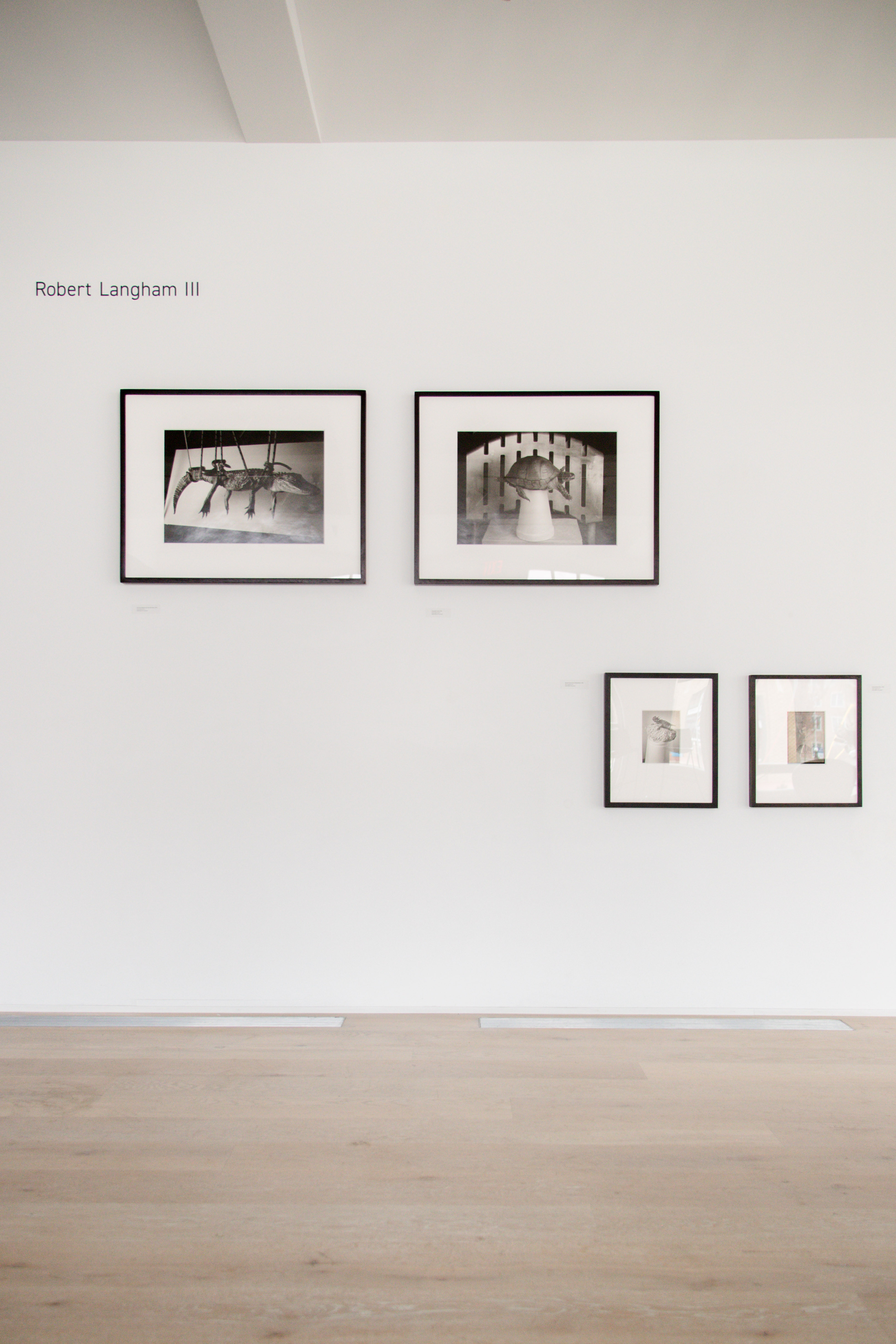
When we met Robert Langham and began to look through his prints, he told us “Snapping turtles are never happy. I don’t know. Maybe they go to birthday parties for their kids and put on little hats and that’s when they smile.”
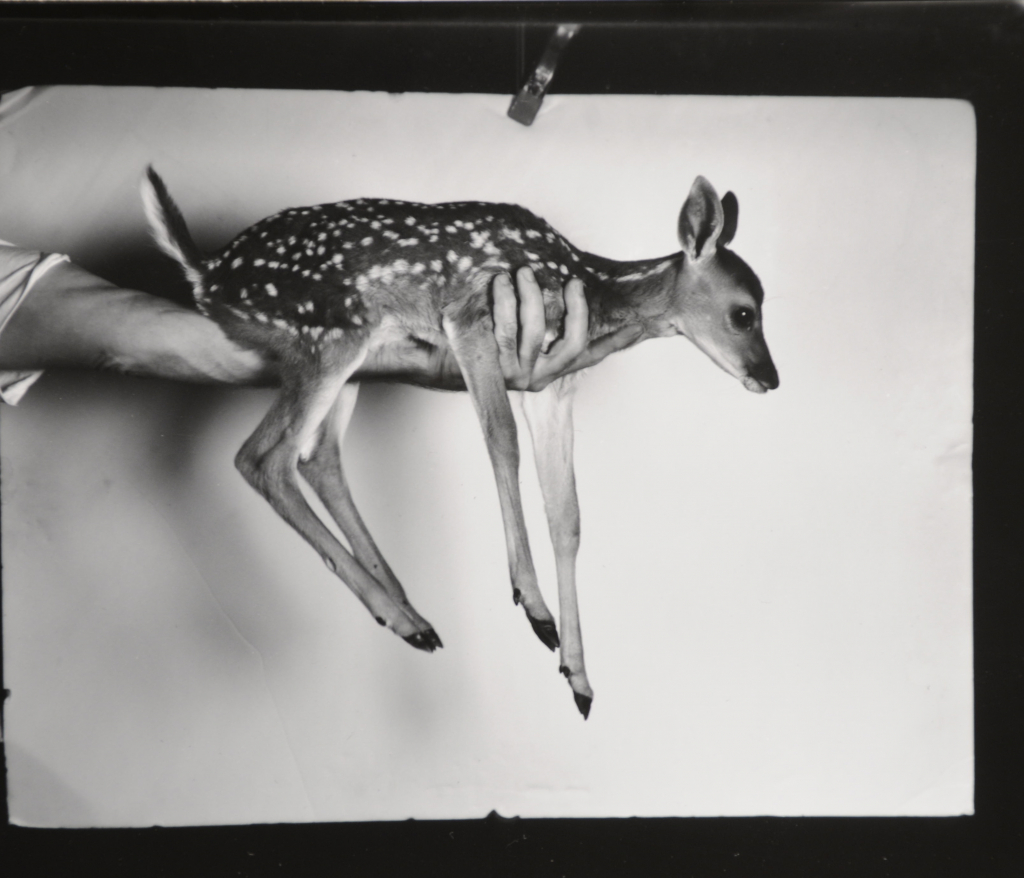
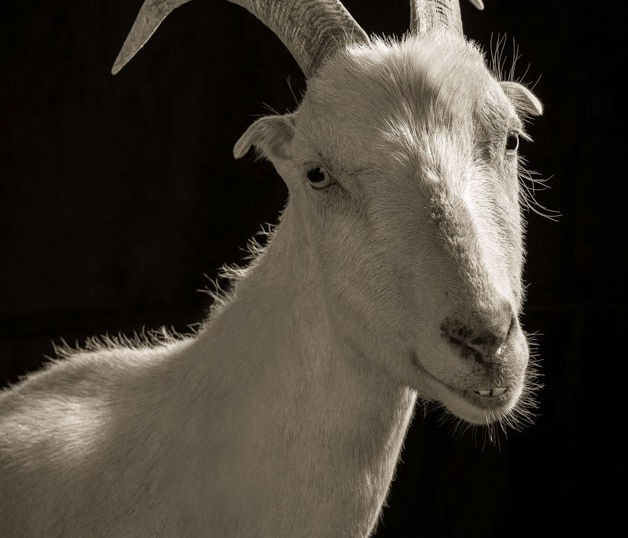
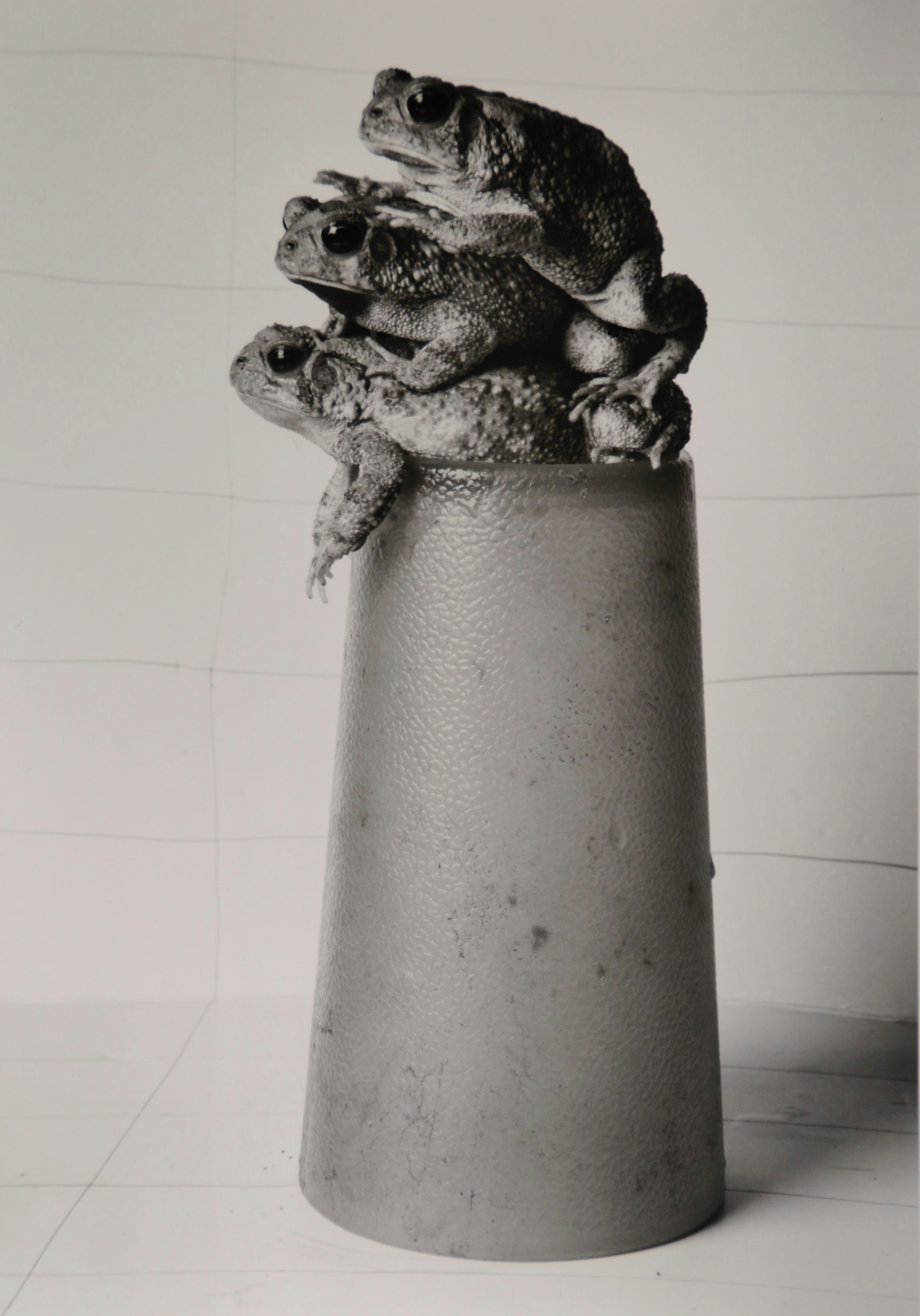
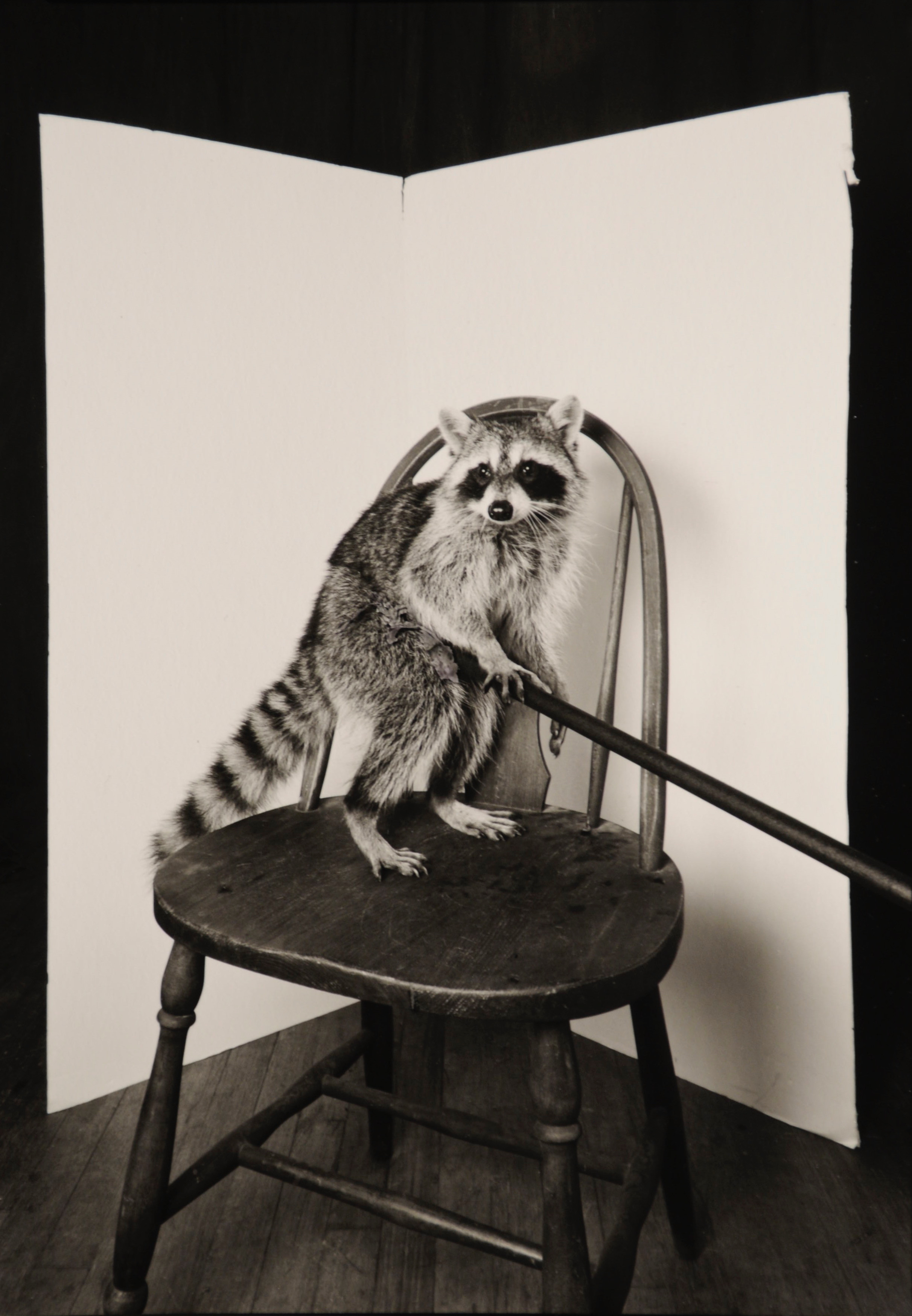
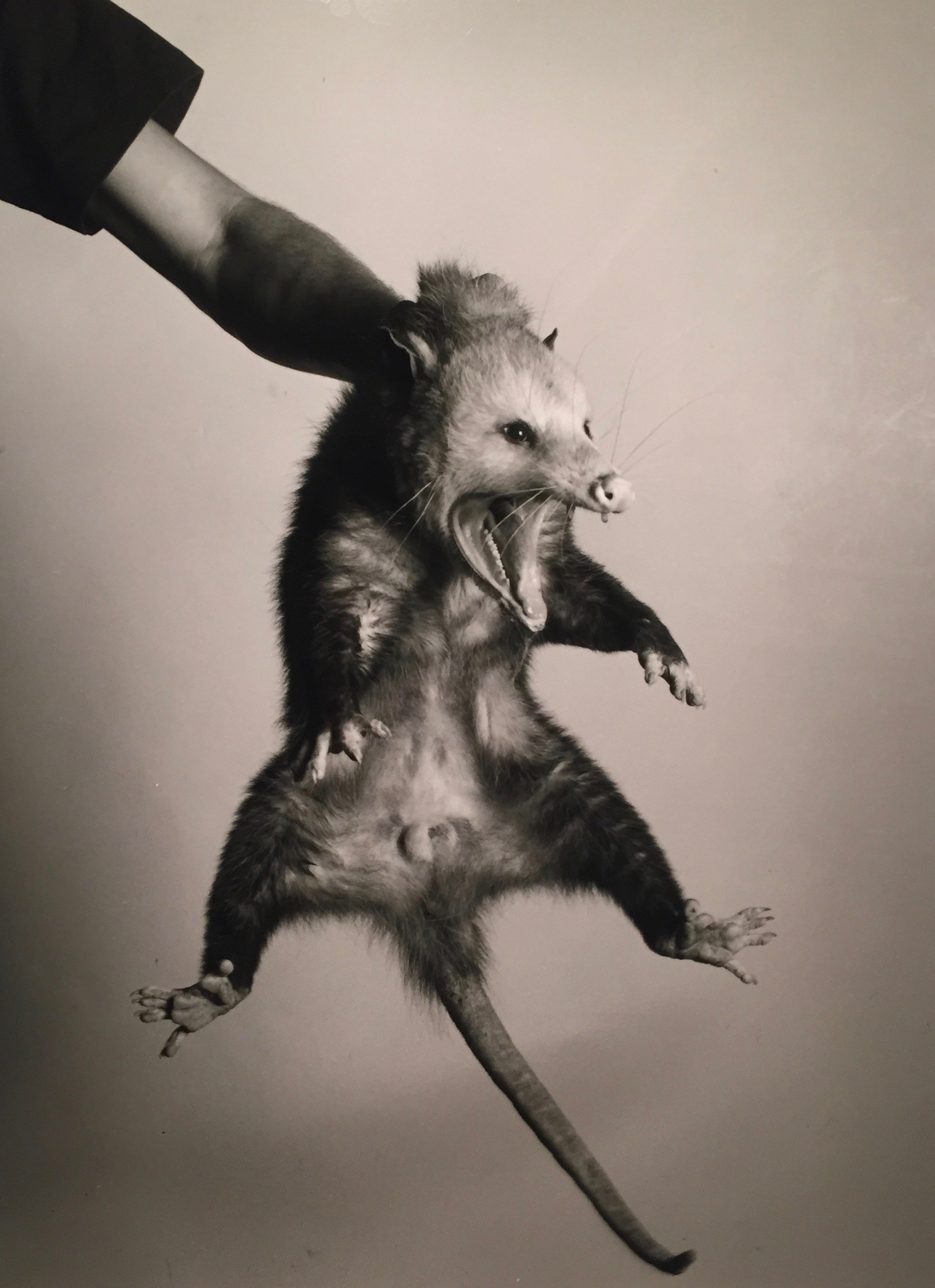
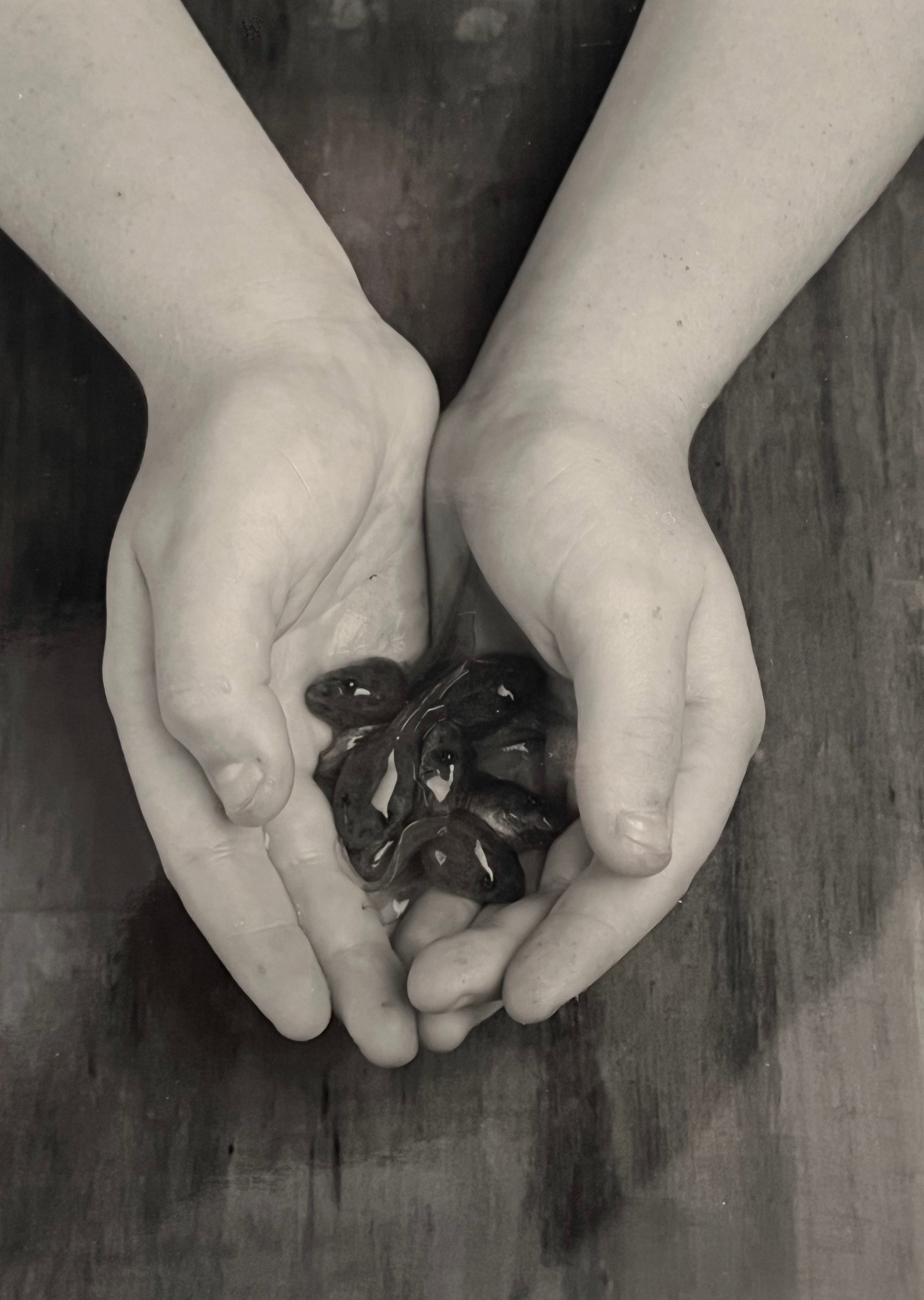
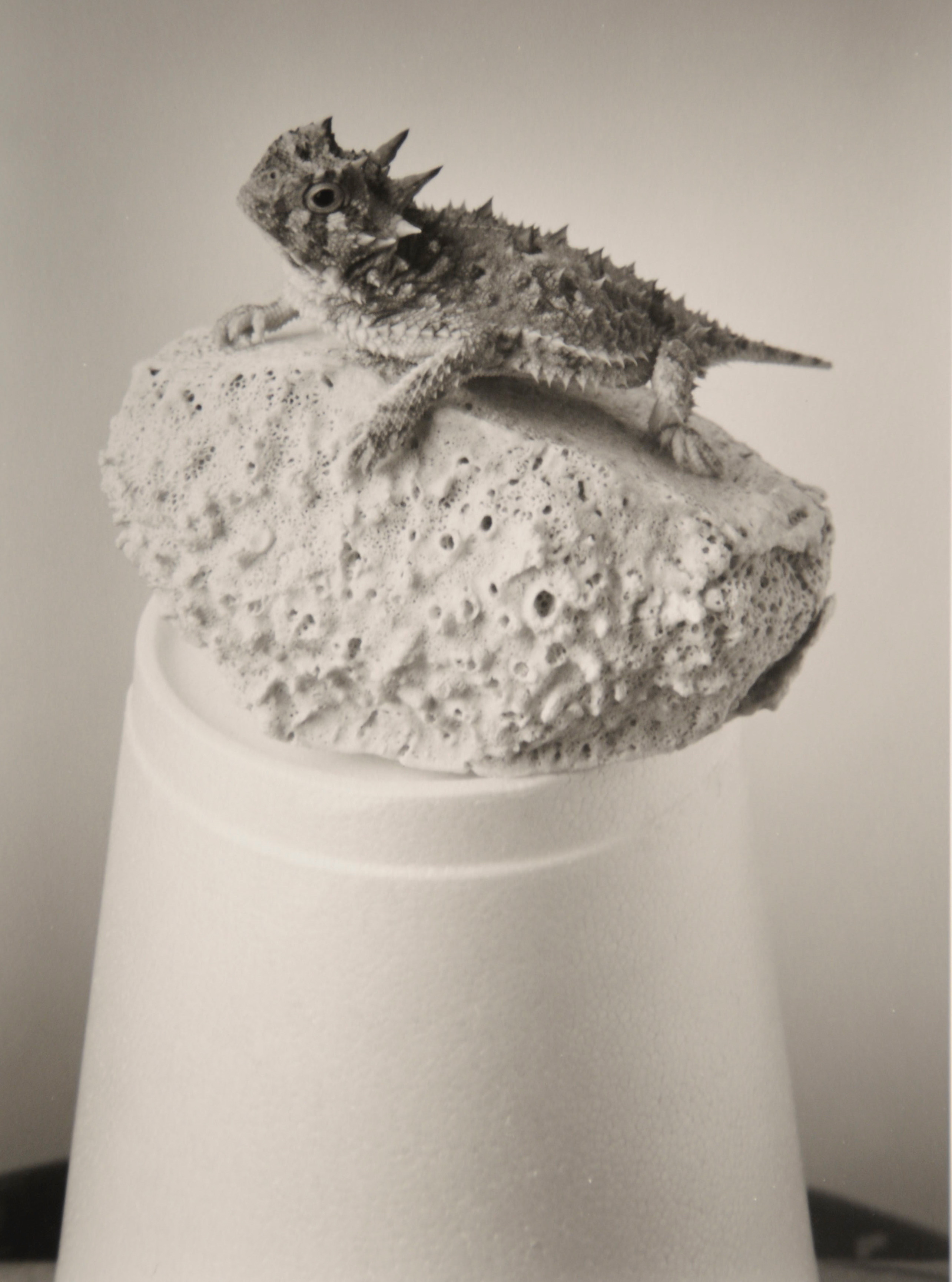
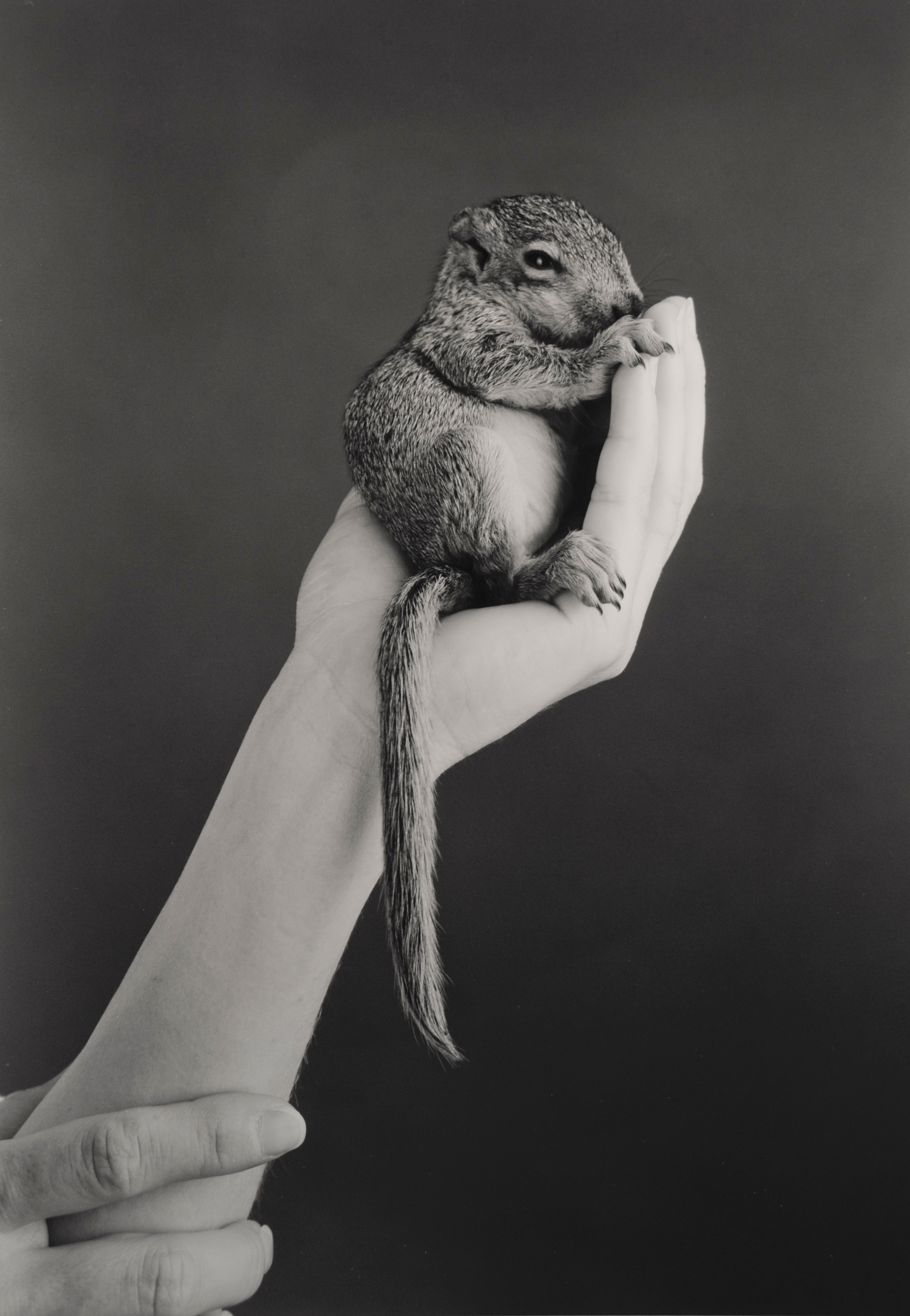
Langham perceives animals not as specimens, but as mysterious individuals. In the Blackfork Bestiary, he urges us to try on a way of looking – one of special fascination – with common neighborhood animals. Though we may have well-formed ideas of them, we may not actually know them at all. In his photographs, we are free to stare them down and think about their lives, face to face with the raw presence of each one.
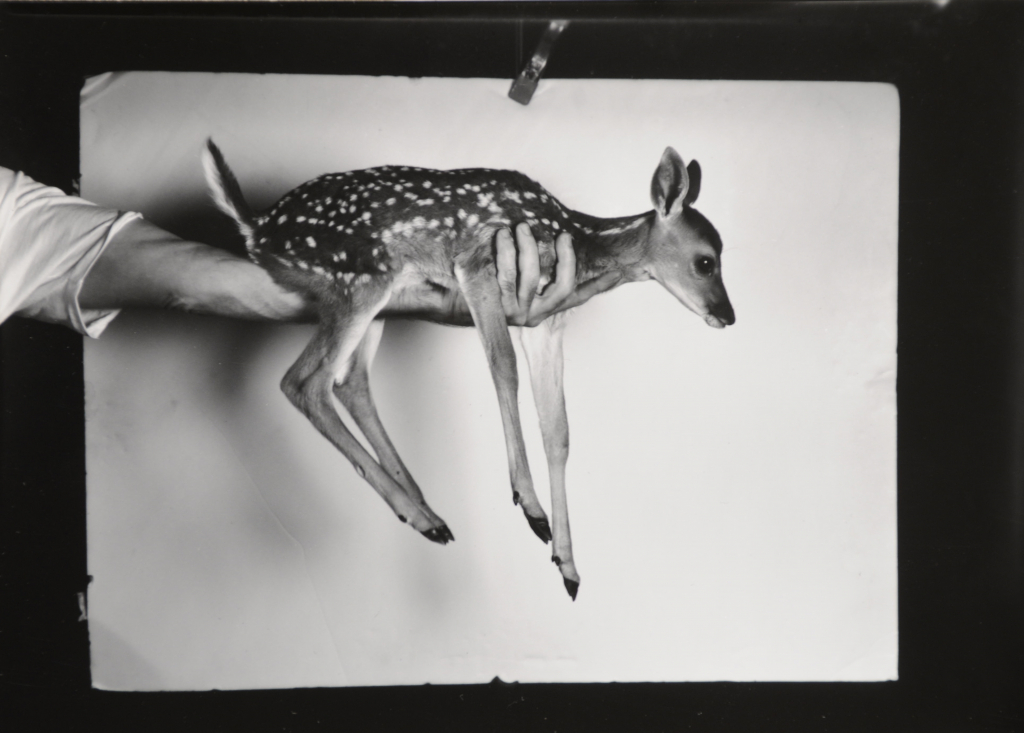
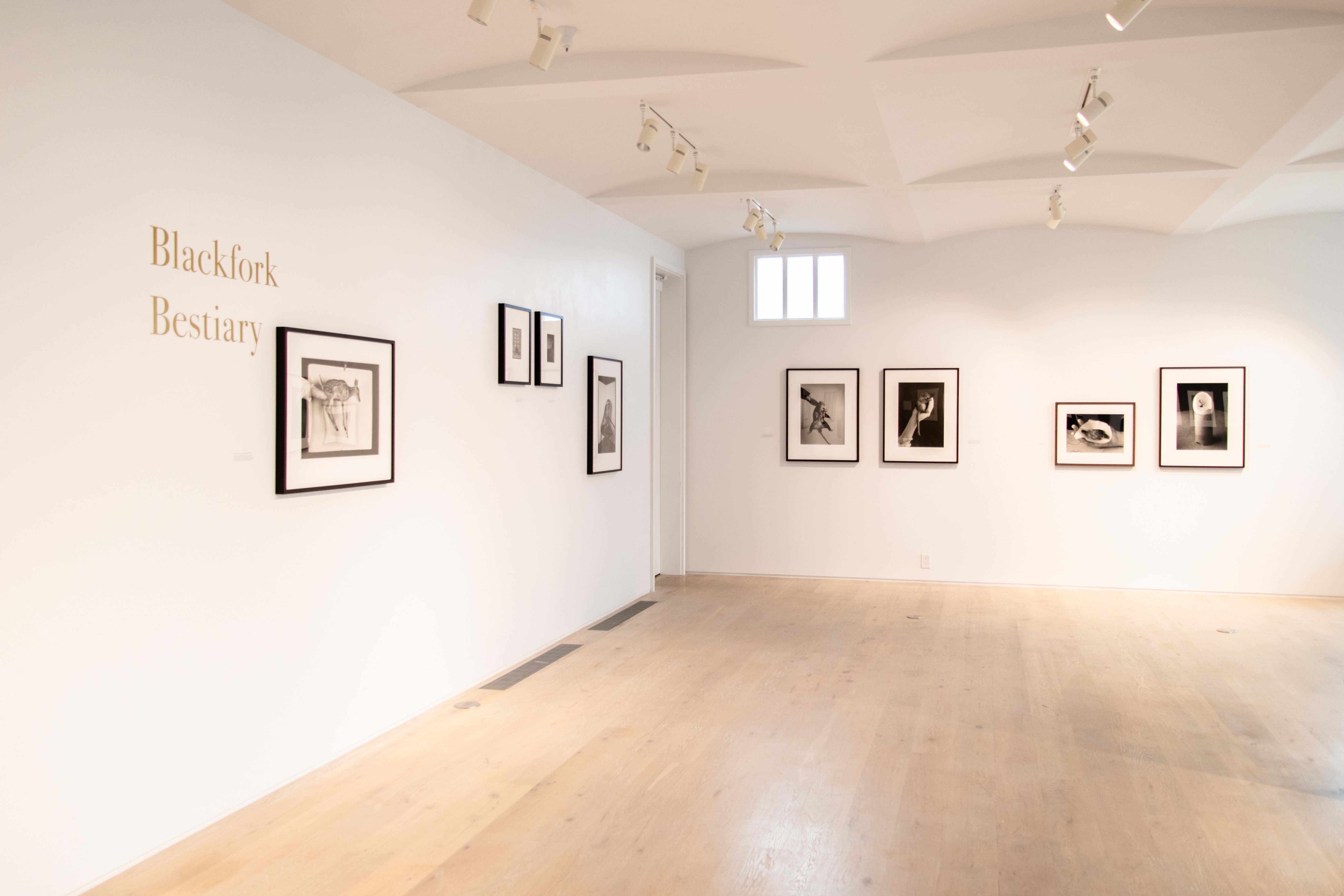
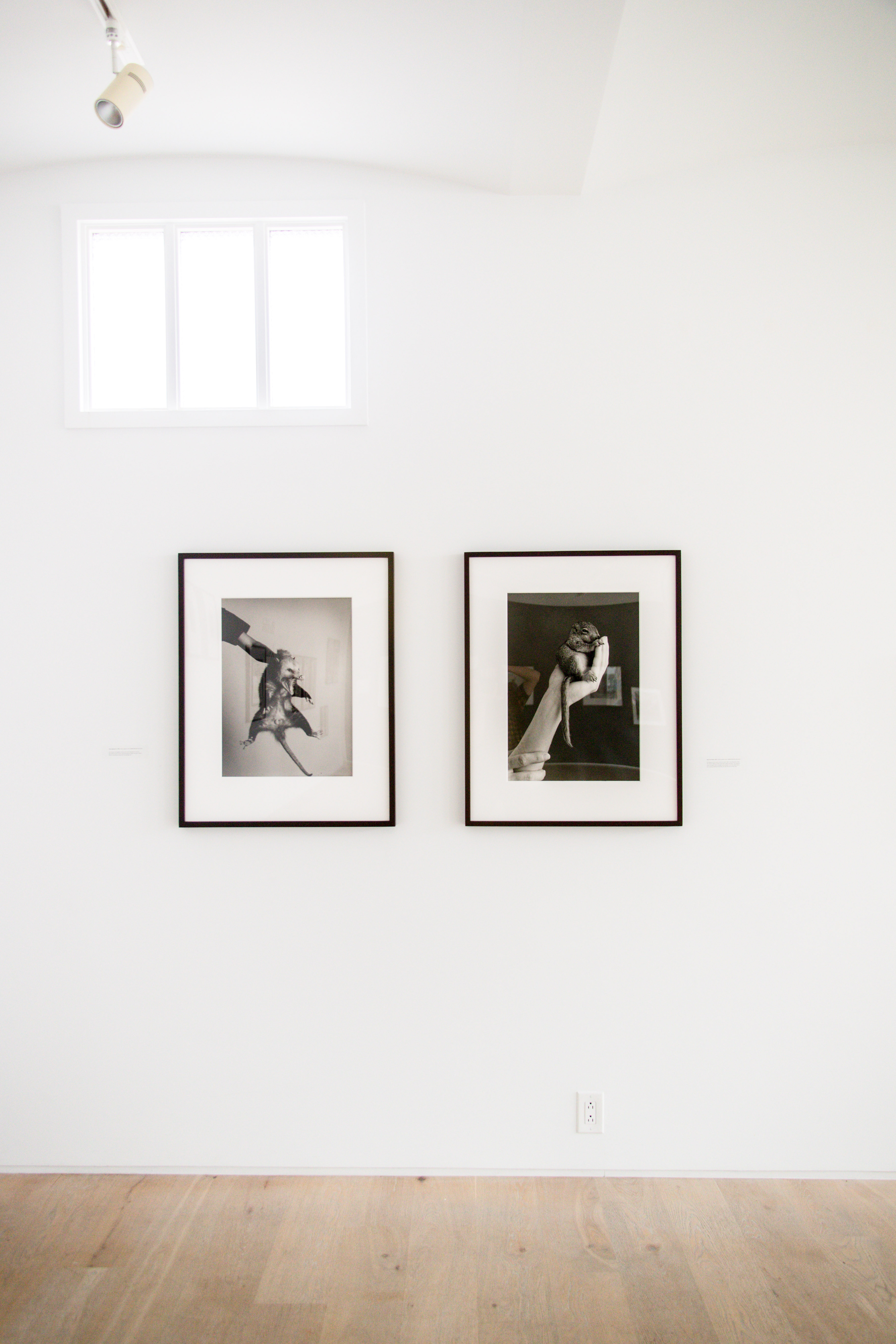
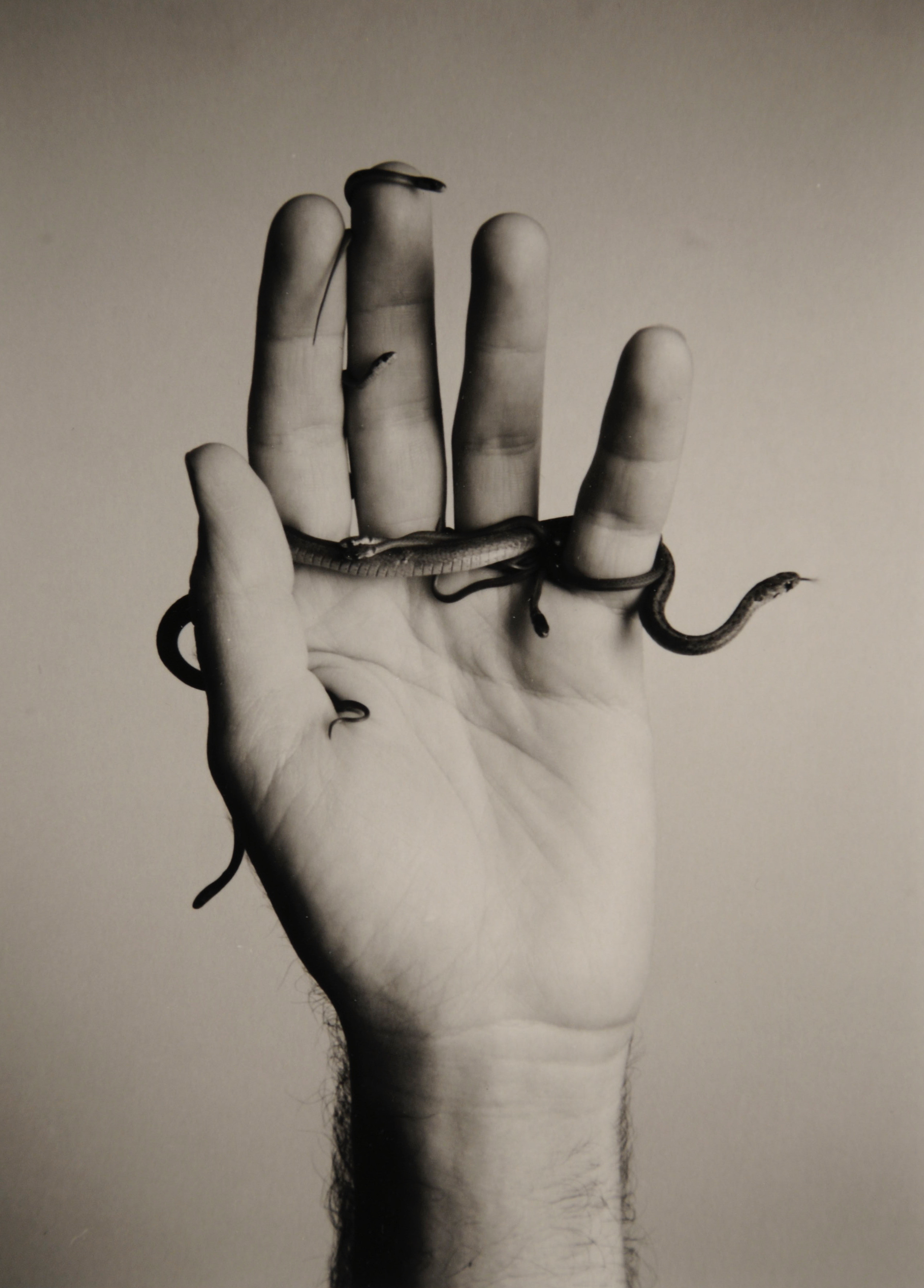
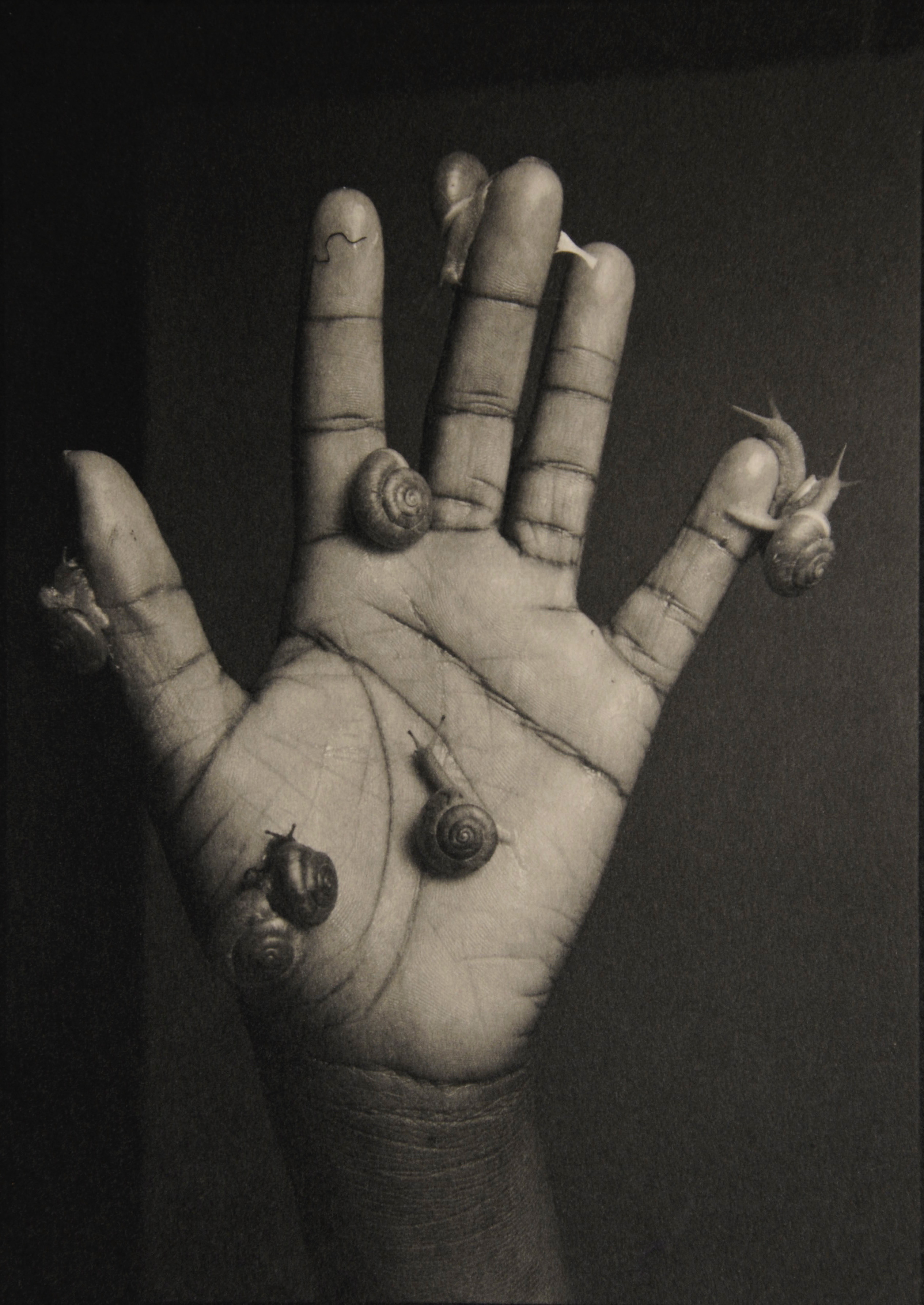
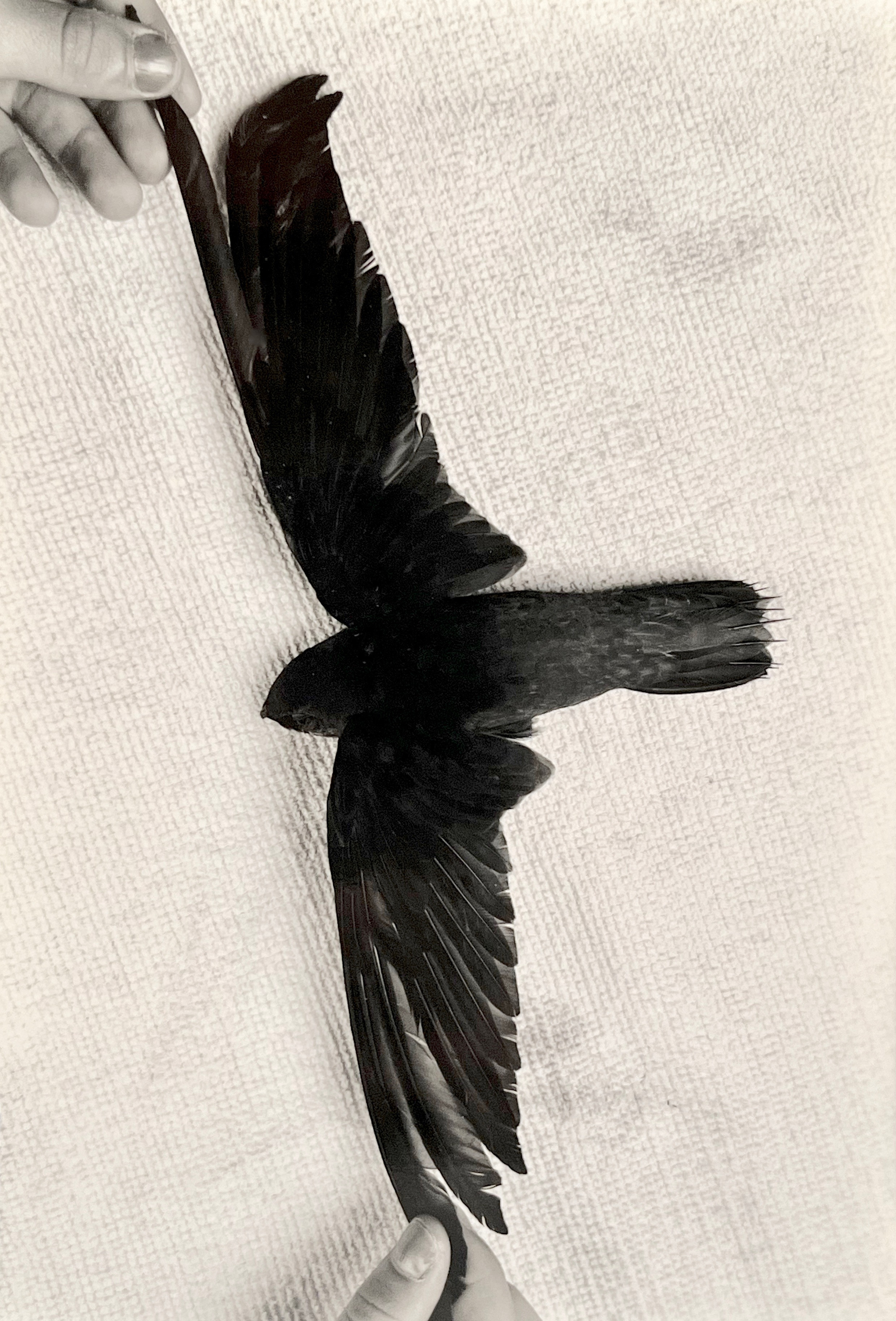
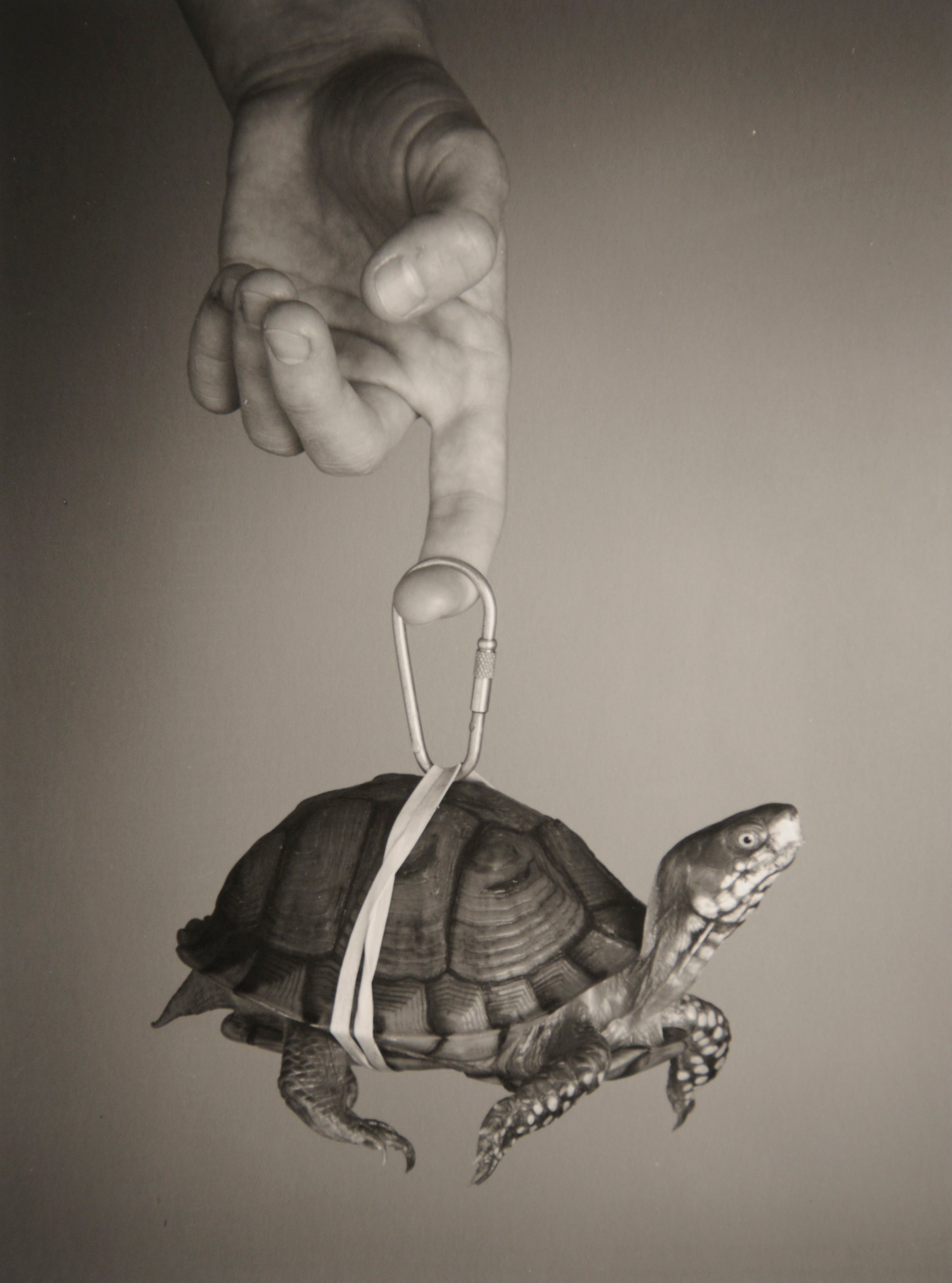
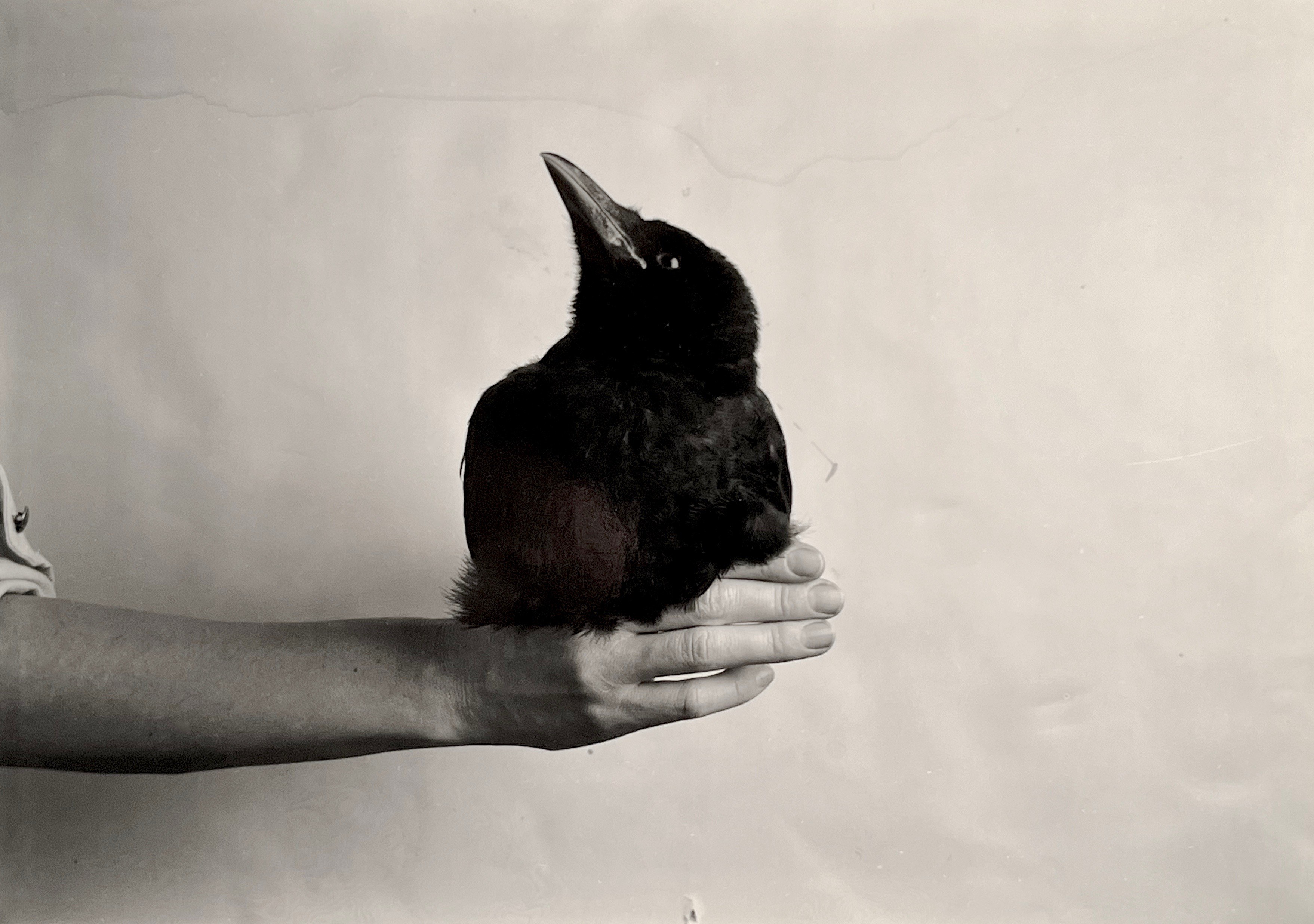
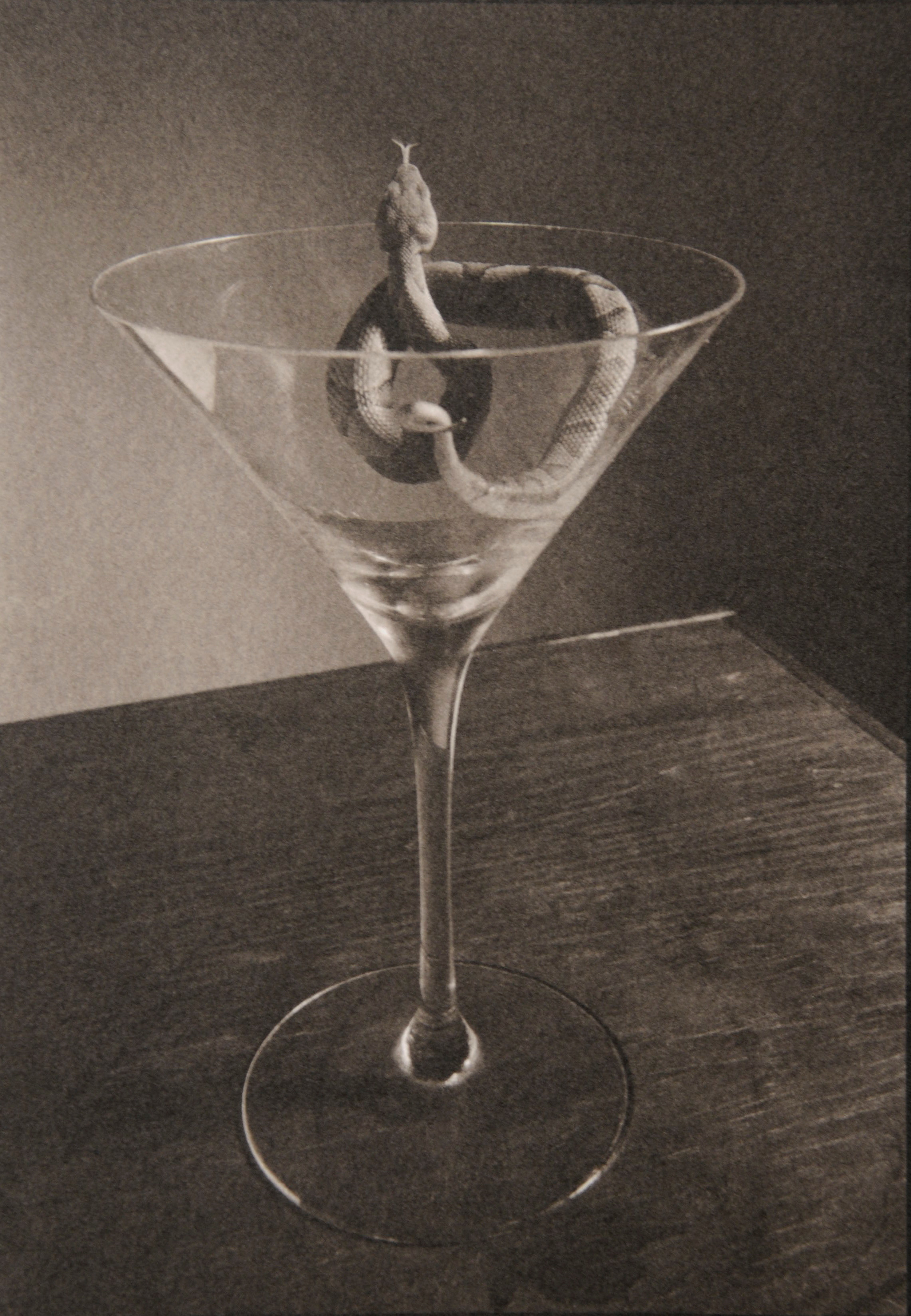
Photographs of animals are easy to love when we see them pictured within our comfort zone, but Langham’s work pulls a bit at the edges of that comfort. These are wild animals, in human spaces. But his photographs do not reduce their wildness. He does not dress them in gauze, or re-insert them into constructed environmental scenes. Langham notes that the human hand has laid heavily on the animals’ ecosystem. And so, the human hands are not hidden away, leaving the strangeness of the encounter between the two species inside the frame. Nature arrives alive, in the tame clarity of the studio, in a delicate and momentary collision.
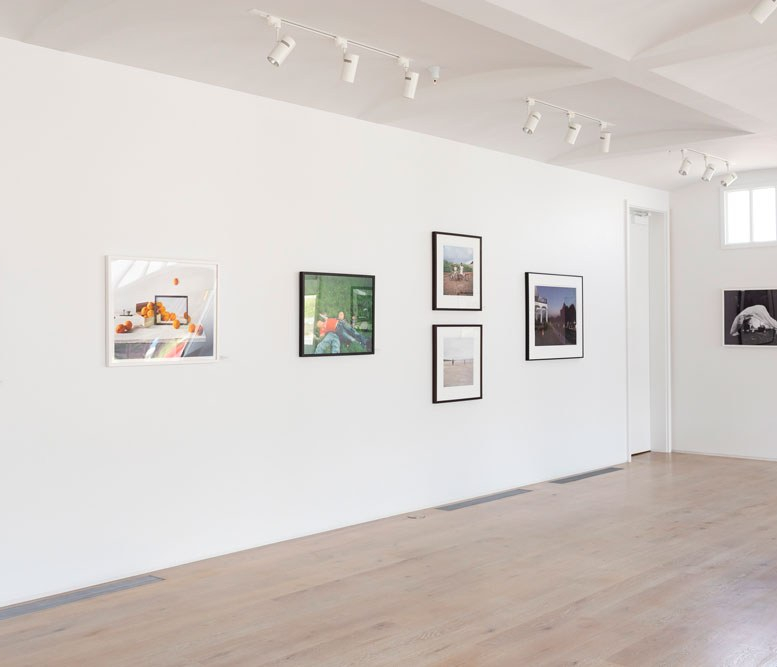
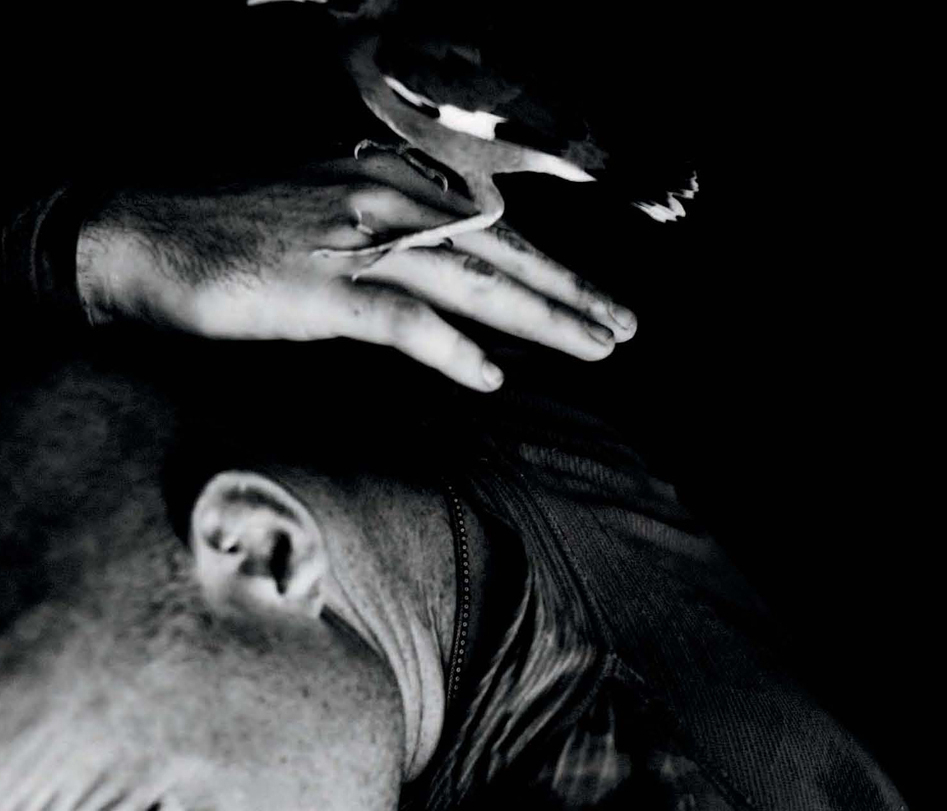
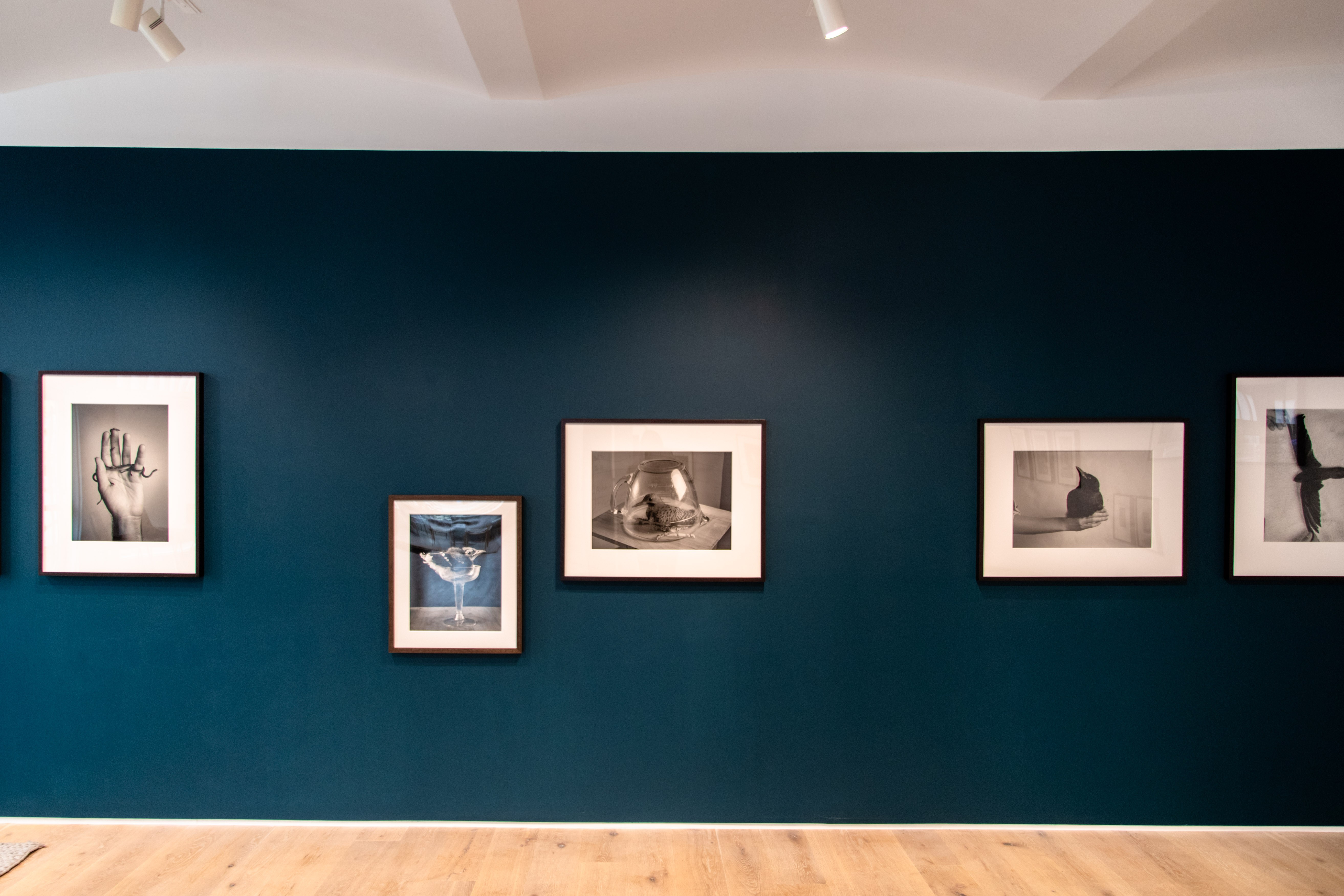
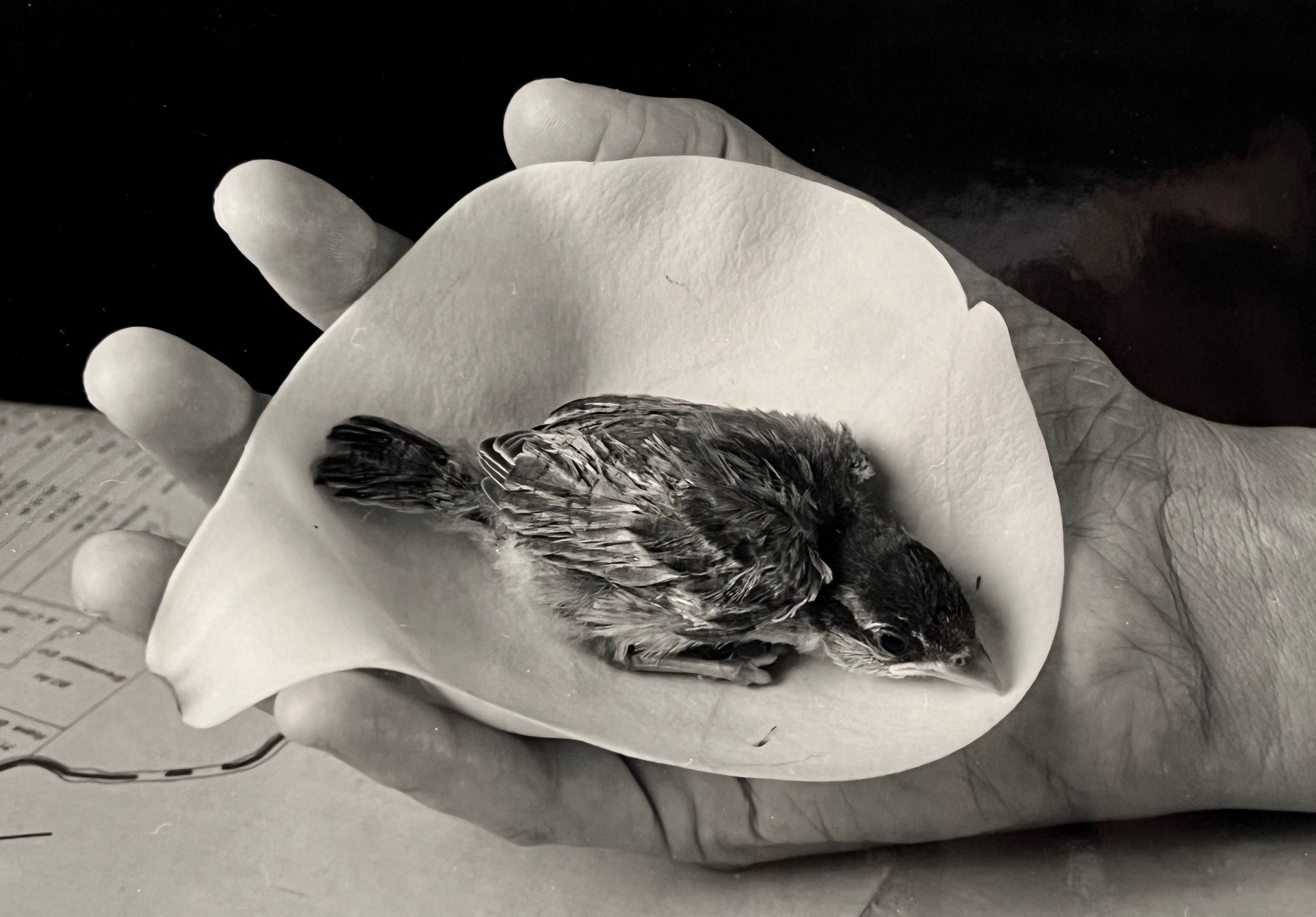
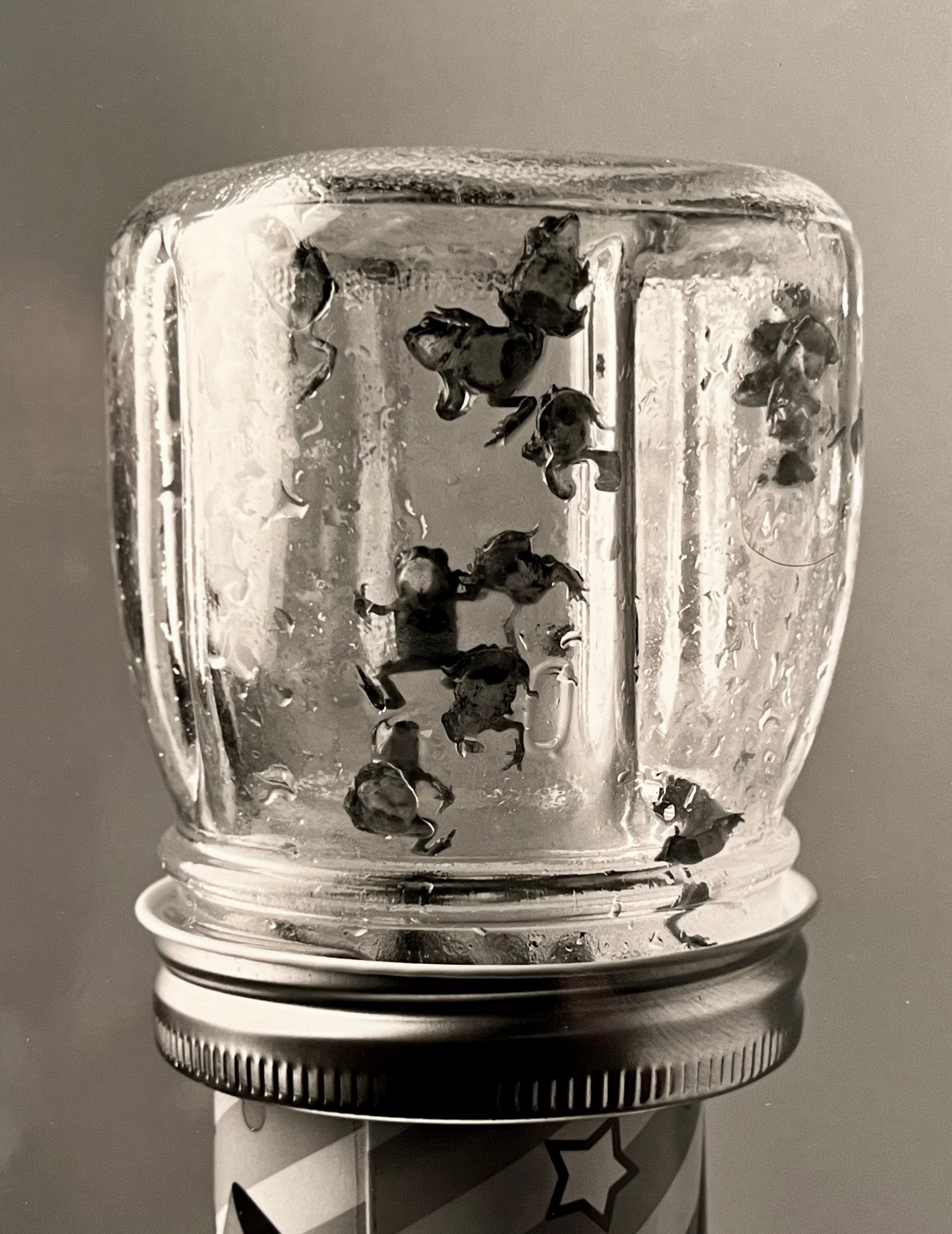
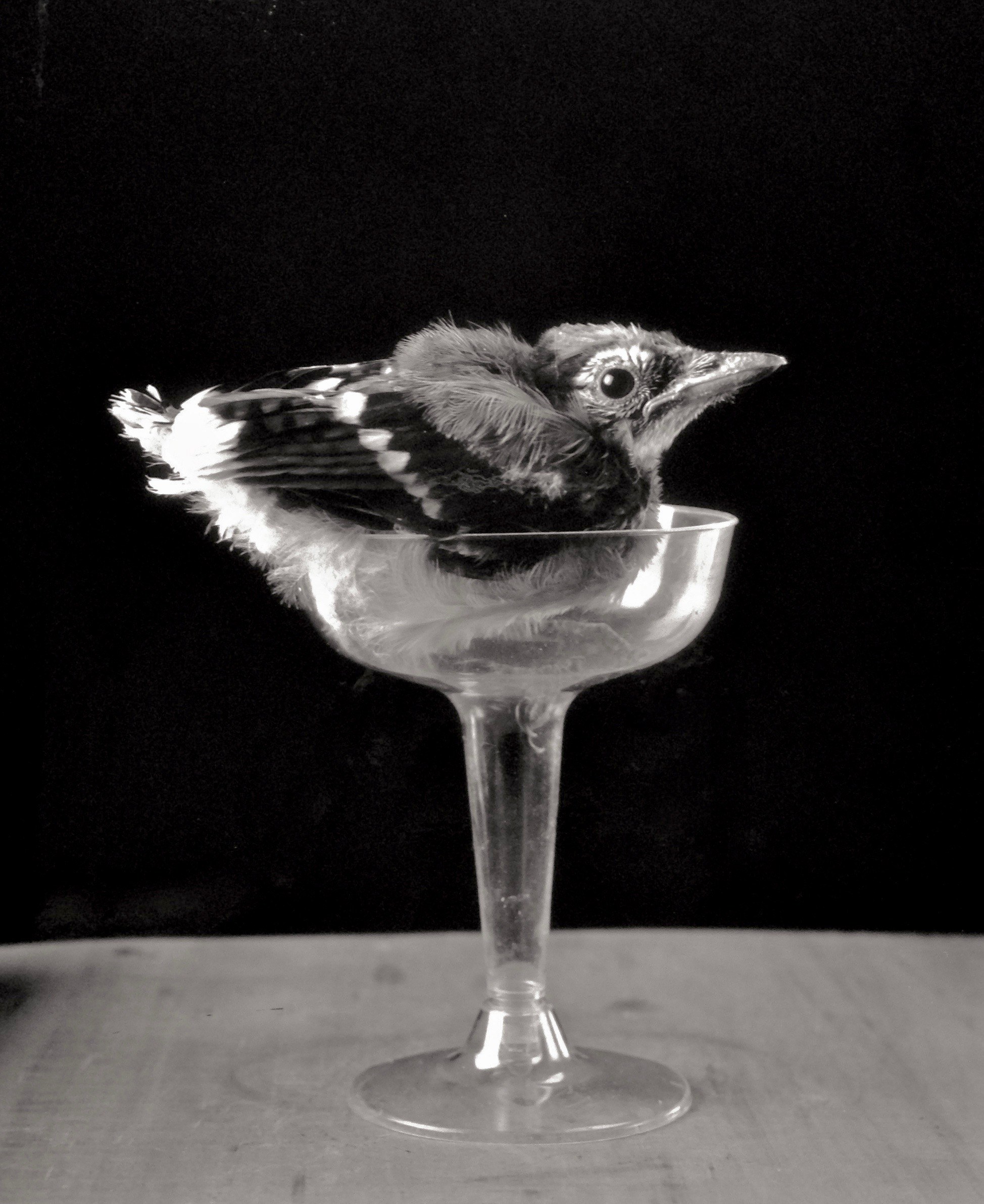
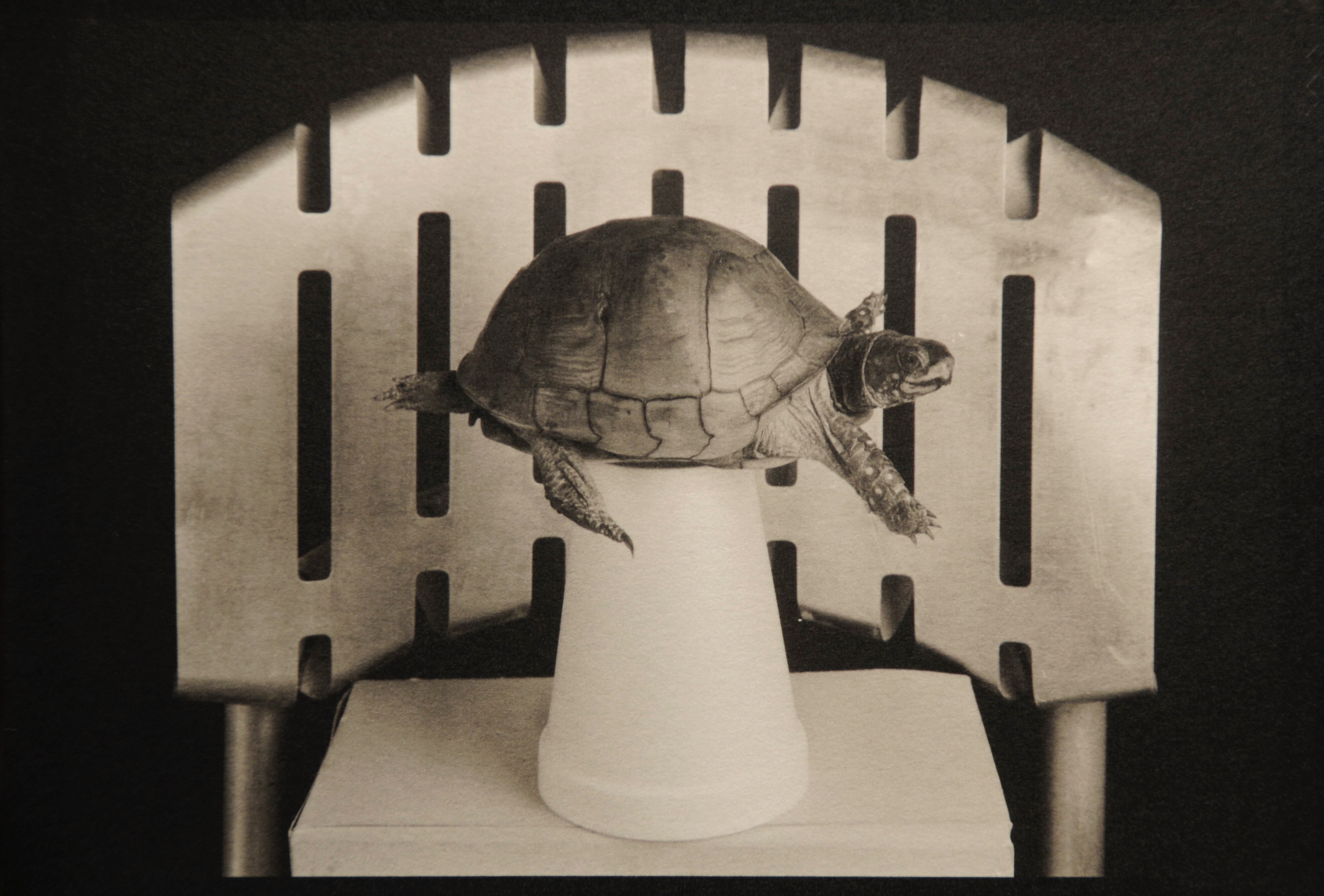
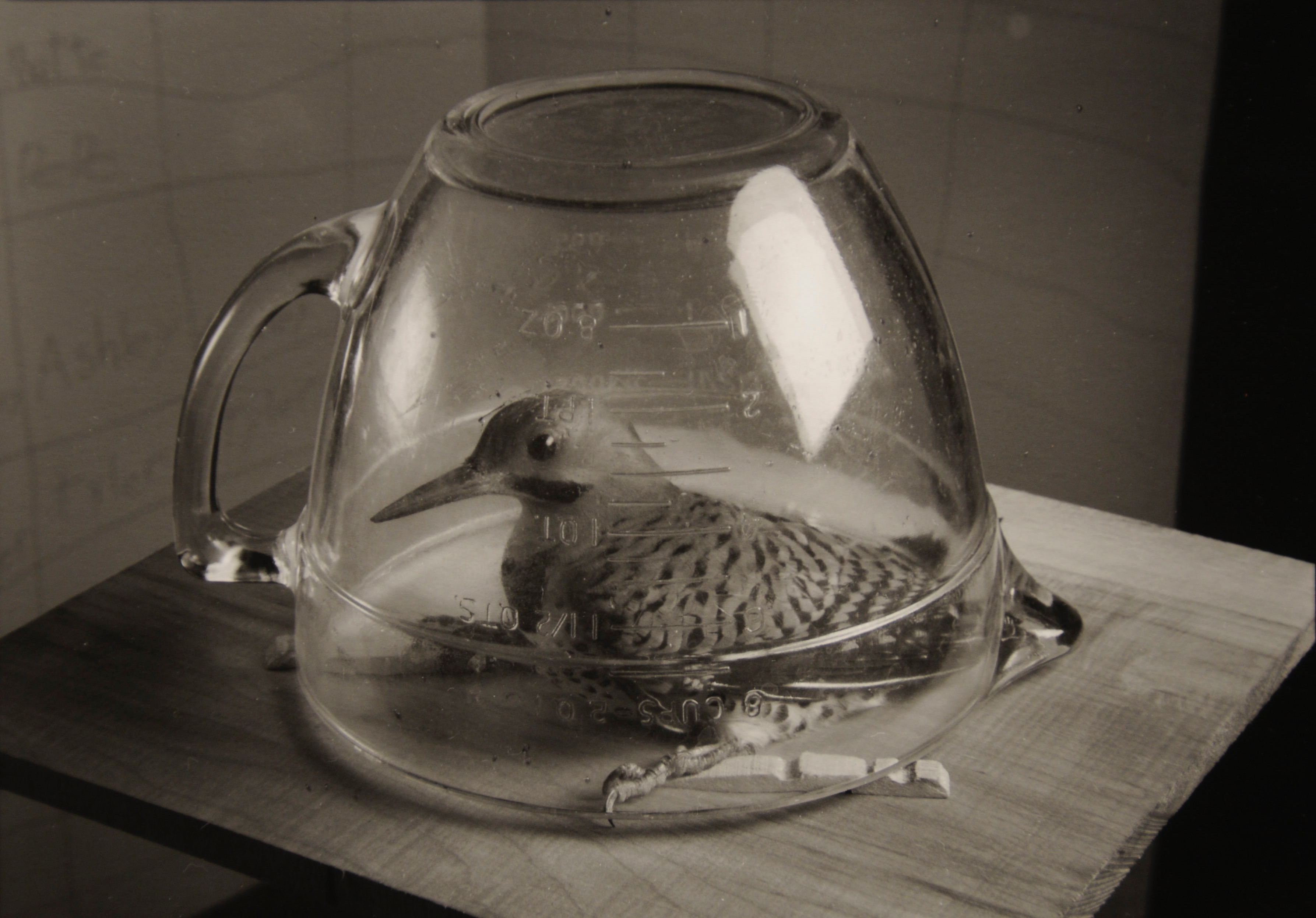
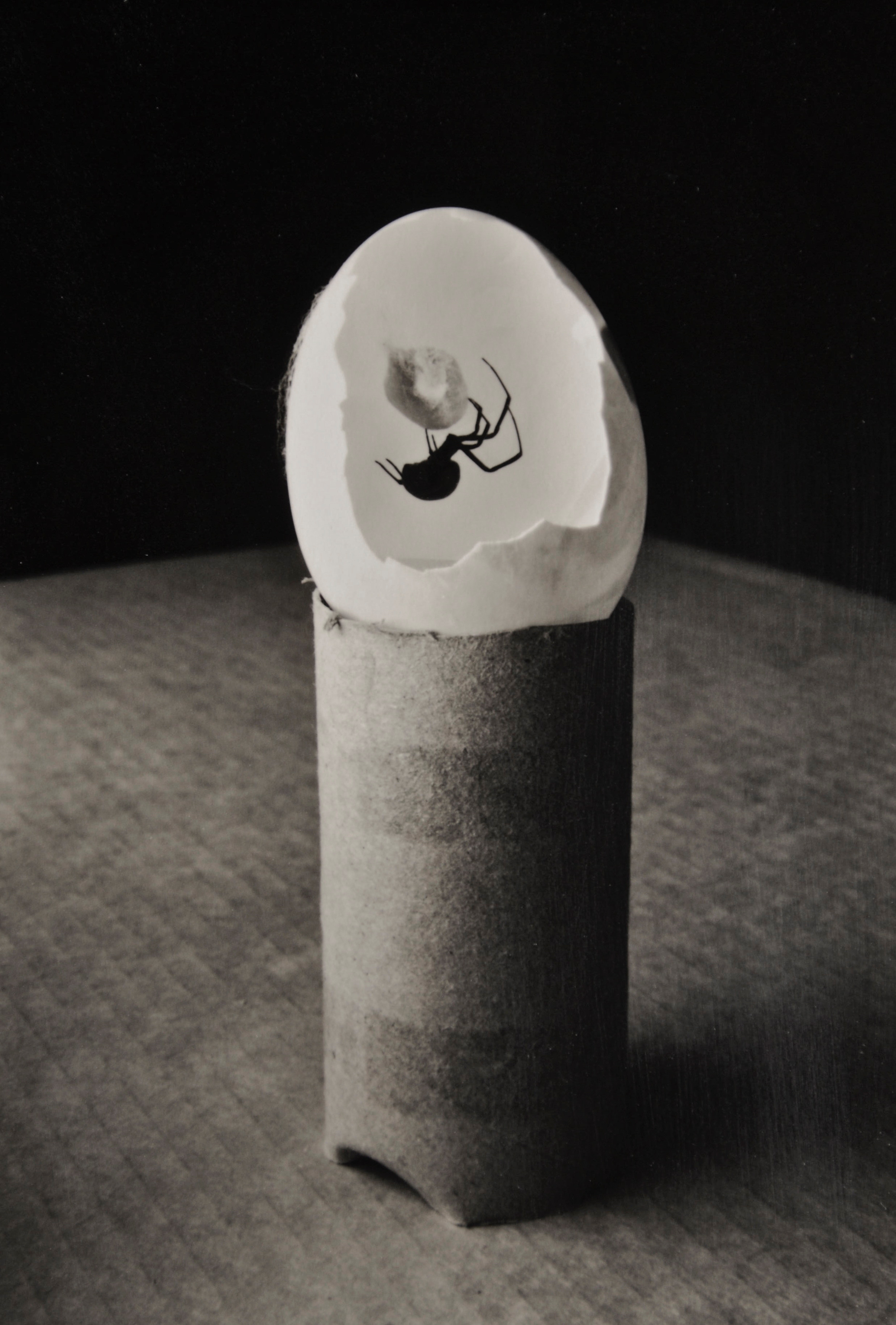
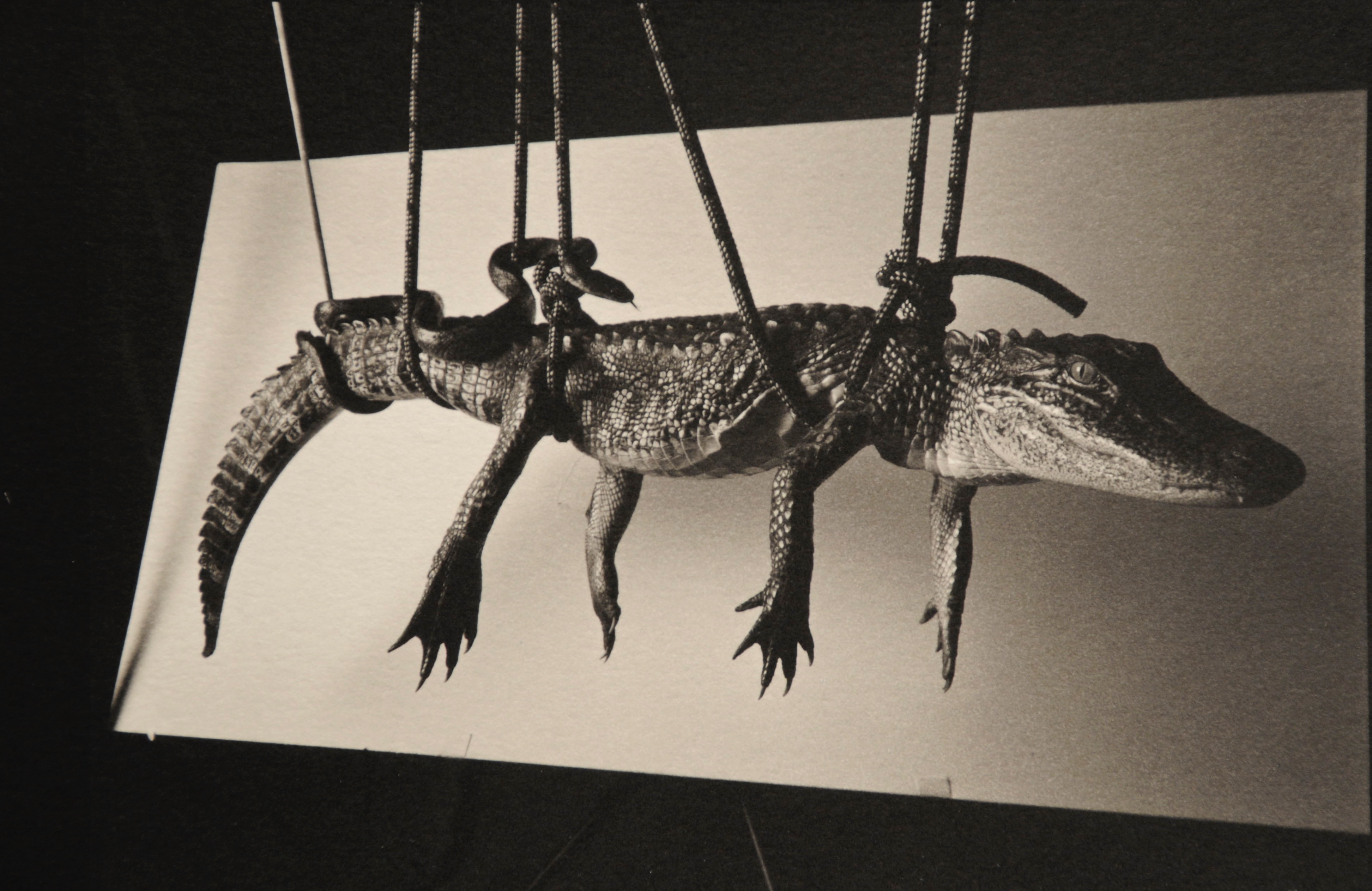
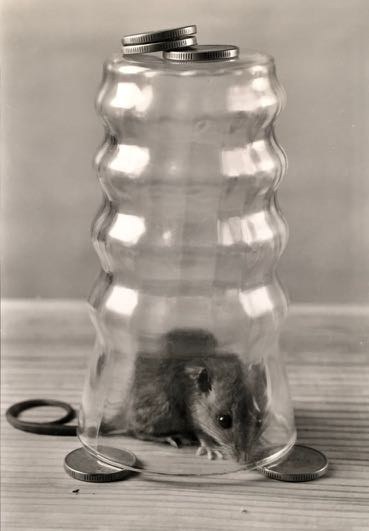
For this exhibition, we selected prints from a collection of work spanning three decades. Images were chosen to bolster relationships between photographs. Two birds in glass containers appear to converse about the experience on the wall. The fearsome nature of a crocodile is mitigated by the awkward flop of its legs, and by the jubilance of a neighboring box turtle that appears to be soaring. The delicacy of a bird in a petal softens the adjacent nightmare of a black widow, cradled in an egg shell. Both are splendid creatures in search of protection.
Robert has also said, “When you bump into an animal, it has a message for you.” He approaches them with a listening ear, affectionately searching out what can be learned from our neighbor creatures, asking if we might do the same.
The Blackfork Bestiary | Robert Langham III
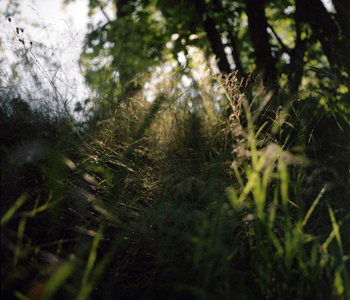
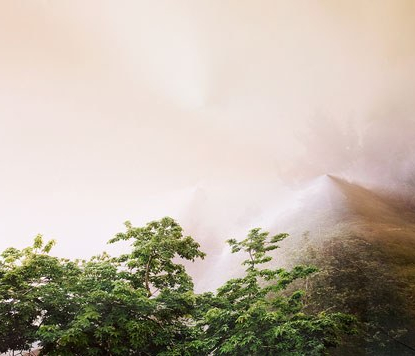
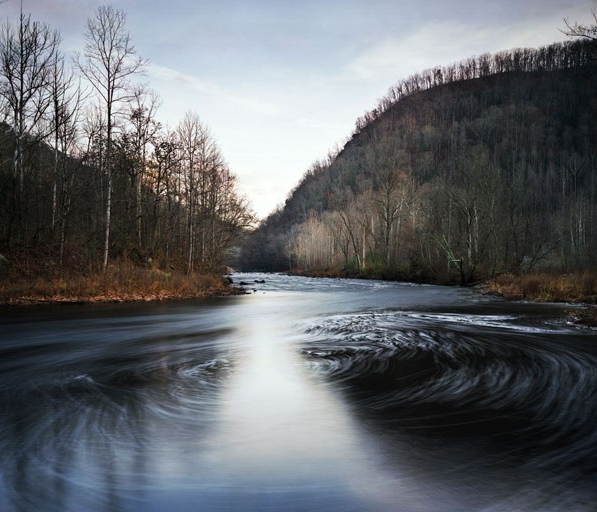
Blackfork Creek is a watershed, high in the Neches River drainage. My hometown Tyler, Texas is nestled in this landscape. The Blackfork Bestiary is a photographic collection of the animals and insects with whom I share the Blackfork Creek ecosystem.
Ancient bestiaries were the first scientific books. They cataloged living things from bees, to dogs, to fish, and gave descriptions of their defining traits – industrious, faithful, aquatic. Bestiaries also cataloged animals of the imagination and described their magical powers - the Phoenix emerging from the fire, the Unicorn's magical powers. Further, they wildly projected personal human traits - The Lion was regal, the Fox cunning, the Owl, wise. I began to feel that our modern science, discarding those projections might have discarded something crucial.
I orientated myself by watershed, USGS maps and historical Amerind sites. The Caddo, who lived along the Blackfork Creek before the coming of the Europeans, cataloged their animals in song from as deep in the ground as any lived to as high in the air as they could see. I wanted that kind of integration.
As I began to seek this work, Animals began to seek me out. Snails under the flowerpots. The 90 year old neighbor calling about something wrong with her garbage can (Opossum). A flicker worked his way into a central air ductwork. The neighbors and a songbird that broke his collarbone on a glass door. A friend put in sidewalk lighting and had to tread around toads who appeared to hunt moths in the glow. I followed a centipede through fallen leaves. I investigated earthworms. The highway got curbed and guttered and became a trap for tortoises.
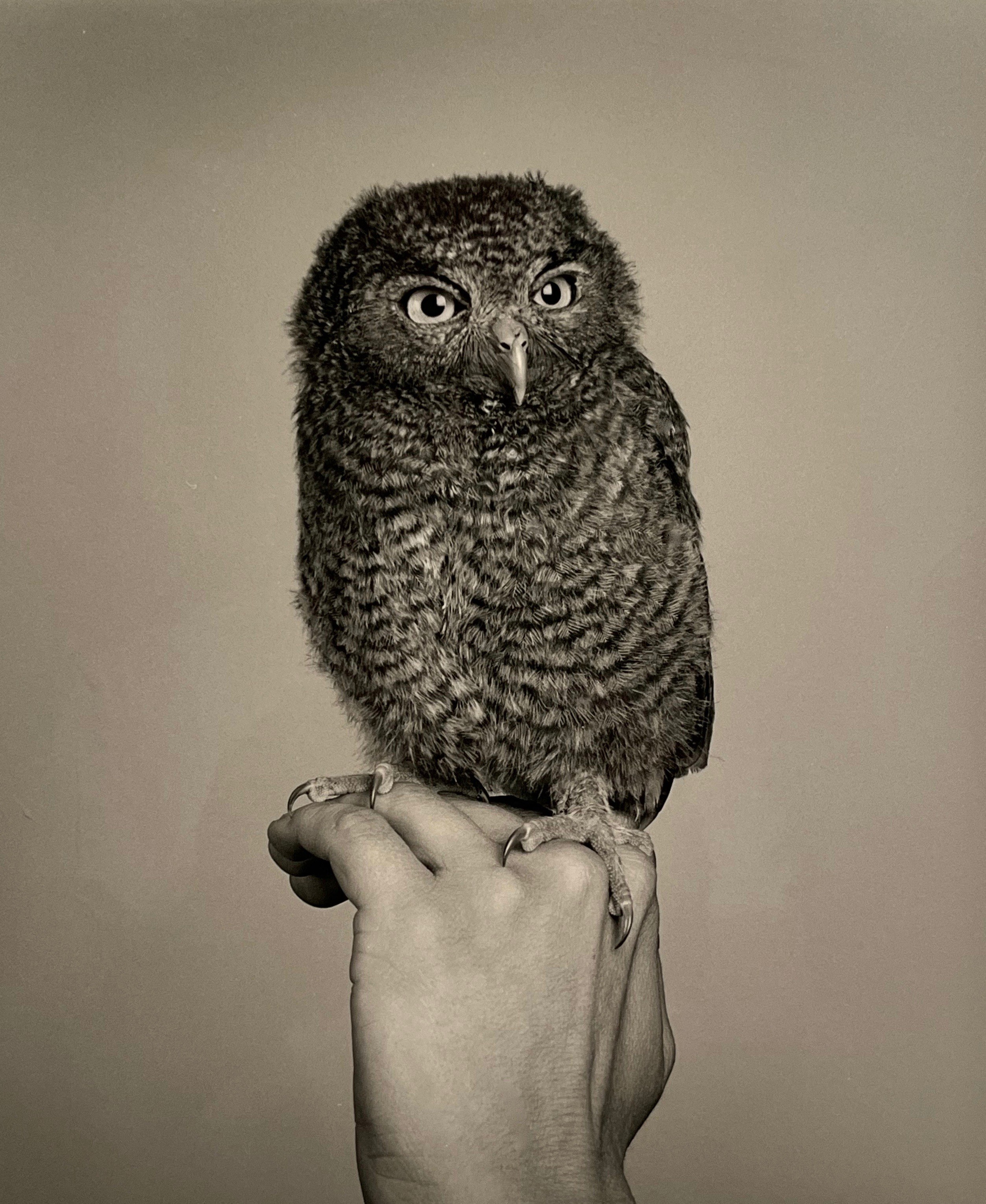
I carefully took these animals into the studio and made portraits, with their individuality in mind. I made eye contact. I photographed them in hands and in human containment. I returned them exactly where I had found or rescued them from human peril. No animals were injured in this project. My possession of them was brief.
The more information I gathered about their lives, the more sensitive I became to them, the more interesting the connections grew. Those connections and moments are in these images with the lessons for all of us.
Robert Langham lives in Tyler, Texas in the same brick-street neighborhood where he was raised. Until recently, he worked in the same darkroom at The Tyler Junior College where he has taught for 40 years. As an assistant at the Ansel Adams studios in Yosemite, Langham honed his skill at interpreting landscape imagery. His personal artwork is done on film, using large format cameras and a traditional wet darkroom.
Langham is a naturalist and environmentalist. His hometown Tyler is in the Blackfork Creek watershed, high in the Neches River drainage. Langham’s work is deeply rooted in a sense of place, reaching deep into the Texan psyche to explore the whimsy and endless possibilities that the open expanses of the Southwestern landscape have inspired, and continue to inspire, within the imagination.
Robert Lanhgam’s prints are in several museum collections, and in 2022, he received the prestigious Guggenheim Fellowship in photography.
Robert Langham III
Blackfork Bestiary
When we met Robert Langham and began to look through his prints, he told us “Snapping turtles are never happy. I don’t know. Maybe they go to birthday parties for their kids and put on little hats and that’s when they smile.”
Langham perceives animals not as specimens, but as mysterious individuals. In the Blackfork Bestiary, he urges us to try on a way of looking – one of special fascination – with common neighborhood animals. Though we may have well-formed ideas of them, we may not actually know them at all. In his photographs, we are free to stare them down and think about their lives, face to face with the raw presence of each one.
Photographs of animals are easy to love when we see them pictured within our comfort zone, but Langham’s work pulls a bit at the edges of that comfort. These are wild animals, in human spaces. But his photographs do not reduce their wildness. He does not dress them in gauze, or re-insert them into constructed environmental scenes. Langham notes that the human hand has laid heavily on the animals’ ecosystem. And so, the human hands are not hidden away, leaving the strangeness of the encounter between the two species inside the frame. Nature arrives alive, in the tame clarity of the studio, in a delicate and momentary collision.
For this exhibition, we selected prints from a collection of work spanning three decades. Images were chosen to bolster relationships between photographs. Two birds in glass containers appear to converse about the experience on the wall. The fearsome nature of a crocodile is mitigated by the awkward flop of its legs, and by the jubilance of a neighboring box turtle that appears to be soaring. The delicacy of a bird in a petal softens the adjacent nightmare of a black widow, cradled in an egg shell. Both are splendid creatures in search of protection.
Robert has also said, “When you bump into an animal, it has a message for you.” He approaches them with a listening ear, affectionately searching out what can be learned from our neighbor creatures, asking if we might do the same.
The Blackfork Bestiary | Robert Langham III
Blackfork Creek is a watershed, high in the Neches River drainage. My hometown Tyler, Texas is nestled in this landscape. The Blackfork Bestiary is a photographic collection of the animals and insects with whom I share the Blackfork Creek ecosystem.
Ancient bestiaries were the first scientific books. They cataloged living things from bees, to dogs, to fish, and gave descriptions of their defining traits – industrious, faithful, aquatic. Bestiaries also cataloged animals of the imagination and described their magical powers - the Phoenix emerging from the fire, the Unicorn's magical powers. Further, they wildly projected personal human traits - The Lion was regal, the Fox cunning, the Owl, wise. I began to feel that our modern science, discarding those projections might have discarded something crucial.
I orientated myself by watershed, USGS maps and historical Amerind sites. The Caddo, who lived along the Blackfork Creek before the coming of the Europeans, cataloged their animals in song from as deep in the ground as any lived to as high in the air as they could see. I wanted that kind of integration.
As I began to seek this work, Animals began to seek me out. Snails under the flowerpots. The 90 year old neighbor calling about something wrong with her garbage can (Opossum). A flicker worked his way into a central air ductwork. The neighbors and a songbird that broke his collarbone on a glass door. A friend put in sidewalk lighting and had to tread around toads who appeared to hunt moths in the glow. I followed a centipede through fallen leaves. I investigated earthworms. The highway got curbed and guttered and became a trap for tortoises.
I carefully took these animals into the studio and made portraits, with their individuality in mind. I made eye contact. I photographed them in hands and in human containment. I returned them exactly where I had found or rescued them from human peril. No animals were injured in this project. My possession of them was brief.
The more information I gathered about their lives, the more sensitive I became to them, the more interesting the connections grew. Those connections and moments are in these images with the lessons for all of us.
Robert Langham lives in Tyler, Texas in the same brick-street neighborhood where he was raised. Until recently, he worked in the same darkroom at The Tyler Junior College where he has taught for 40 years. As an assistant at the Ansel Adams studios in Yosemite, Langham honed his skill at interpreting landscape imagery. His personal artwork is done on film, using large format cameras and a traditional wet darkroom.
Langham is a naturalist and environmentalist. His hometown Tyler is in the Blackfork Creek watershed, high in the Neches River drainage. Langham’s work is deeply rooted in a sense of place, reaching deep into the Texan psyche to explore the whimsy and endless possibilities that the open expanses of the Southwestern landscape have inspired, and continue to inspire, within the imagination.
Robert Lanhgam’s prints are in several museum collections, and in 2022, he received the prestigious Guggenheim Fellowship in photography.
Dates + Events
December Pictura Kids: Robert Langham III
Saturday, December 2 | 11:00am - 12:00pm
December Gallery Walk: Robert Langham III
Friday, December 1 | 5:00pm - 8:00pm